10 Bottom Dwellers Ranked — By Tank Size, Not by Looks
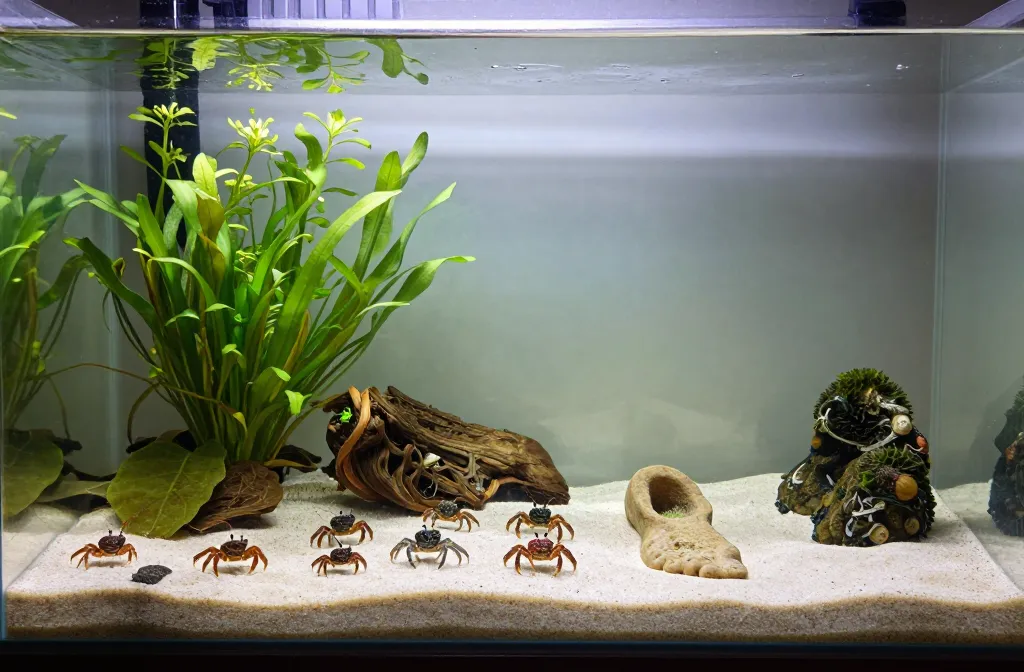
Most searches for bottom dwellers skip the part you actually need: how many gallons each species requires in adulthood and why that number is real. This list ranks bottom dwellers by tank size so you can match species to your glass box before you fall in love with a photo — and by the end you’ll be able to specify stocking by footprint, flow, and water values, not just “clean-up crew” myths. The numbers here assume a fully cycled tank, measured on liquid tests, with nitrate kept under 30 ppm and temperature stable within ±1°F. Where a range depends on footprint, I call out minimum length because bottom fish live in horizontal lanes, not vertical inches. You’ll see exactly how sand, flow, and diet shape the gallon number.
1. Thai Micro Crabs (Limnopilos naiyanetri): 5 Gallons, Dense Cover
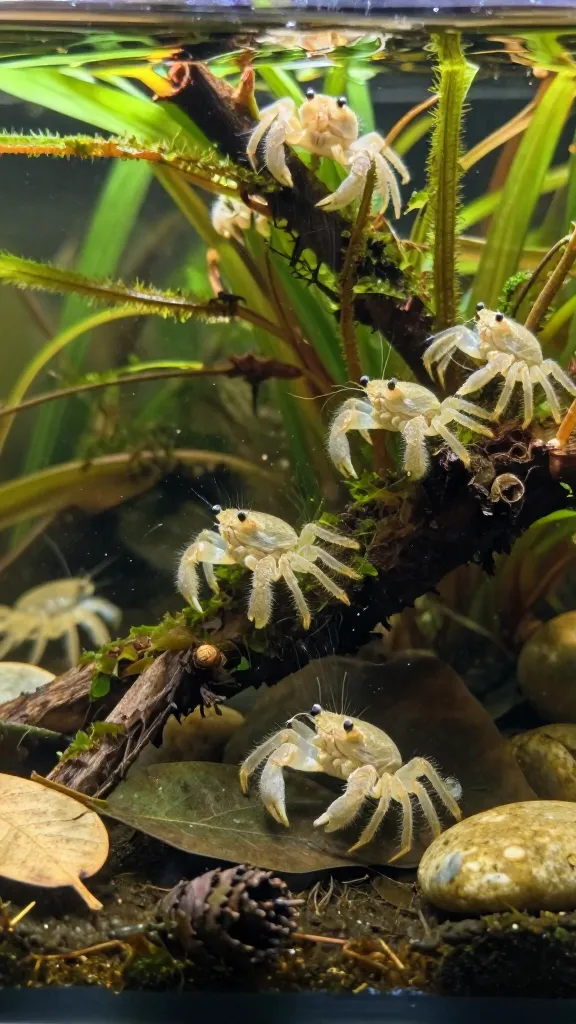
These true freshwater crabs are filter-feeders at micro scale: they trap suspended particles with setae and graze biofilm from leaves and hardscape, so water flow that lifts fine food without blasting them is the magic. They barely load the bottom chemically — the risk is starvation, not waste — which is why they can work in very small volumes if the system grows film and infusoria.
Keep a group of 6+ in a 5-gallon with 0.5–1.0 W/gal of gentle sponge-driven flow, fine-leaved plants, and leaf litter. pH 6.5–7.4, GH 3–8 dGH, temperature 72–78°F. They are escape-prone through gaps larger than 3 mm. The limit is predation: any fish that investigates with its mouth eventually reduces the colony.
2. Pygmy Corydoras (Corydoras pygmaeus/habrosus/hastatus): 10 Gallons, Footprint Over Height
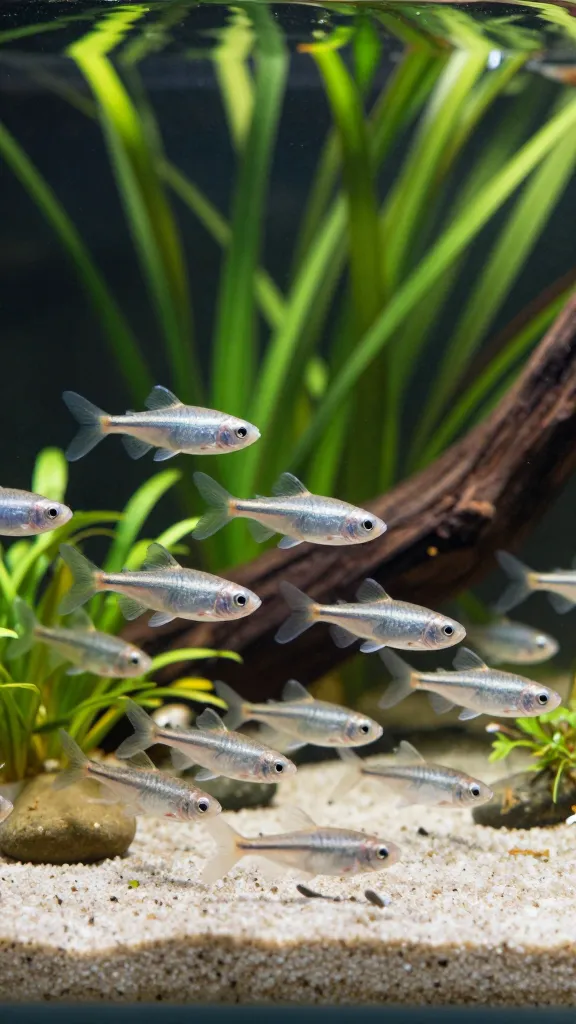
Pygmy cories school mid-bottom and sift fine food from the top few millimeters of substrate; their gills are efficient at lower oxygen, but they rely on rambling distance to feed and socialize. Because they are shoaling, the bio-load scales quickly once you stock the minimum number that makes them behave naturally.
Start a group of 10–12 in a 10-gallon that is at least 20 inches long with soft, rounded sand and flow around 6–8× tank volume per hour broken by plants. Keep pH 6.2–7.4, GH 2–8 dGH, temperature 72–78°F. The failure mode is gravel: sharp edges abrade barbels within weeks, leading to infection even with clean water.
3. Kuhli Loaches (Pangio spp.): 20 Gallons Long, Deep Sand to Burrow
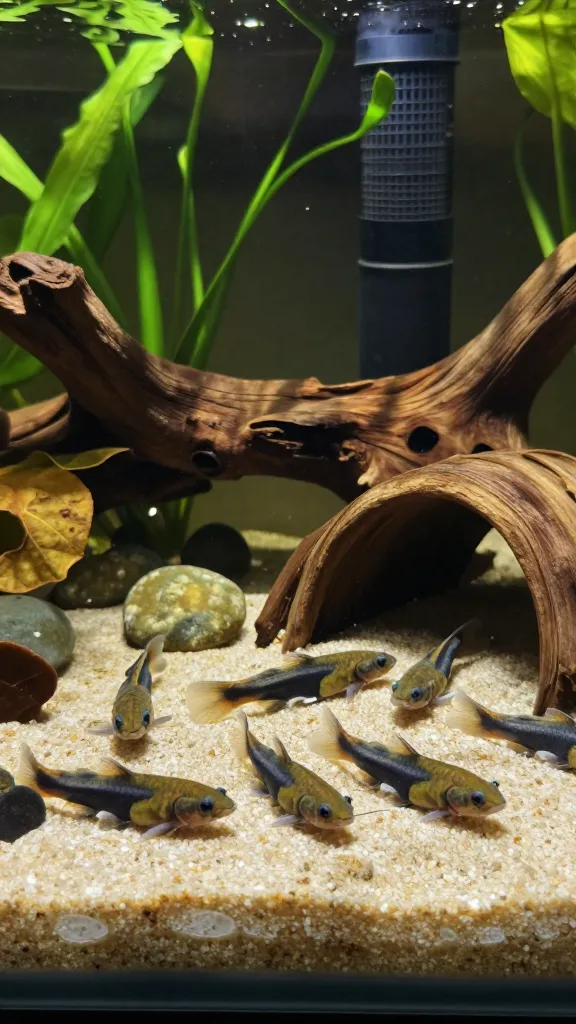
Kuhlis behave like living periscopes: they dive and thread through substrate, using their whole body to probe and escape. Burrowing regulates their stress and digestion; deny the depth and they skulk and fail to thrive. Waste stays low per fish, but their digging loosens mulm that must be exported.
House 6–8 kuhlis in a 20-long (30 inches) with 1.5–2 inches of sugar-fine sand, pH 6.0–7.2, GH 2–8 dGH, temperature 76–80°F. Provide covered intakes (slits ≤1.5 mm) and driftwood tunnels. The limit is oxygen under blankets of detritus: without weekly substrate vacuuming of open areas, you risk anaerobic pockets and fin rot despite “good” test numbers.
4. Dwarf Chain Loach (Ambastaia sidthimunki): 20 Gallons High-Energy, Not a Snail Tool
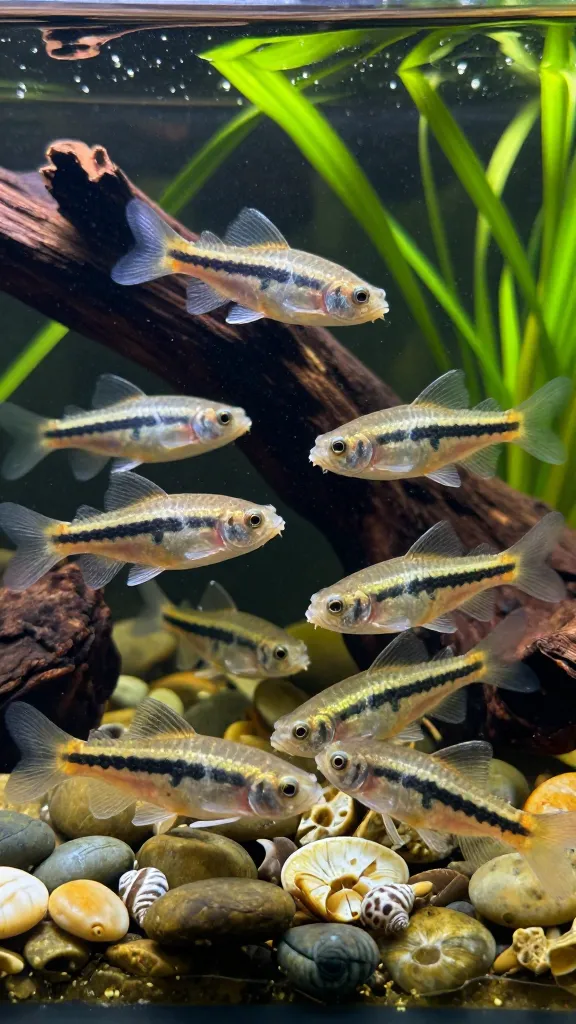
These loaches are social, high-metabolism snail hunters that stimulate by chasing and sparring; the energy turns into waste and oxygen demand. Their jaw mechanics crack small snails, but the myth that a pair “cleans snails” in a nano is how people end up with nipped tankmates and stunted loaches.
Keep 6+ in a 20-gallon with strong, laminar flow of 10–12× volume per hour and hardscape breaks. pH 6.5–7.5, GH 5–12 dGH, temperature 75–80°F. Feed protein daily. The limit is number and space: fewer than six or tanks under 24 inches concentrate aggression and suppress feeding hierarchy.
5. Hillstream Loaches (Sewellia/Gastromyzon): 30 Gallons, River Flow and O2
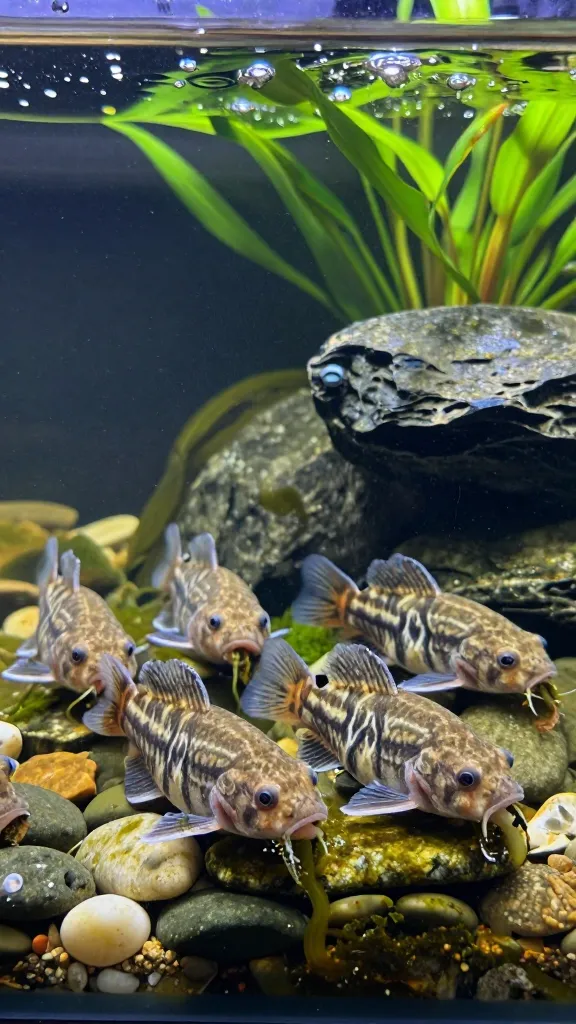
Hillstreams are scraper-grazers evolved for torrents: their ventral “suction” fins hold rock while water blasts biofilm across their rasping mouths. Their metabolism assumes saturated oxygen and constant film regrowth; warm, slow tanks starve them even when algae looks “present.”
Keep 3–5 in a 30-gallon with a 36-inch run, surface agitation that keeps dissolved oxygen near saturation (aim for ≥7 mg/L at 72–75°F), and flow at 12–15× per hour split across two outlets. pH 6.8–7.6, GH 6–12 dGH. The limit is temperature: above 78°F cuts oxygen solubility and they decline within days during heat waves unless you boost aeration immediately.
6. Bristlenose Pleco (Ancistrus sp.): 30 Gallons, Wood and Vegetables, Not Glass Duty
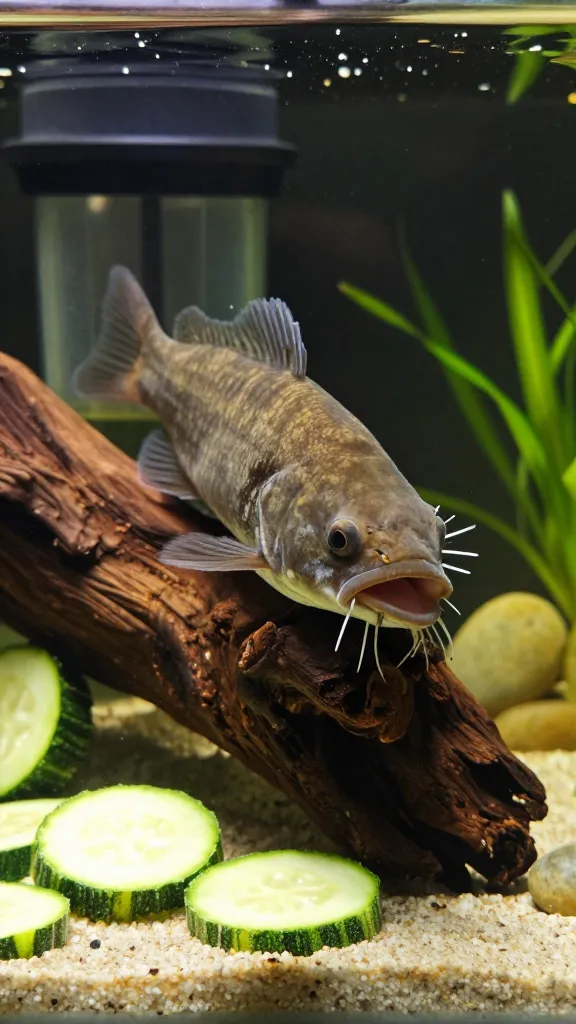
Bristlenose digest complex plant material with a gut microbiome tuned to lignin and cellulose; constant rasping keeps those microbes fed. Algae alone is too low-calorie and seasonal. Their waste is fibrous and voluminous, which raises mechanical load more than chemical if you export solids.
One adult reaches 4–5 inches; keep a single in a 30-gallon with driftwood, stable temperature 74–78°F, pH 6.5–7.6, and a filter moving 8–10× per hour with prefilter sponge to catch pulp. Offer blanched vegetables 3–4 times weekly. The failure mode is overstocking multiples: two males in less than 36 inches square off and stop feeding.
7. Corydoras (Common mediums: paleatus, aeneus): 30 Gallons, Shoal and Sand
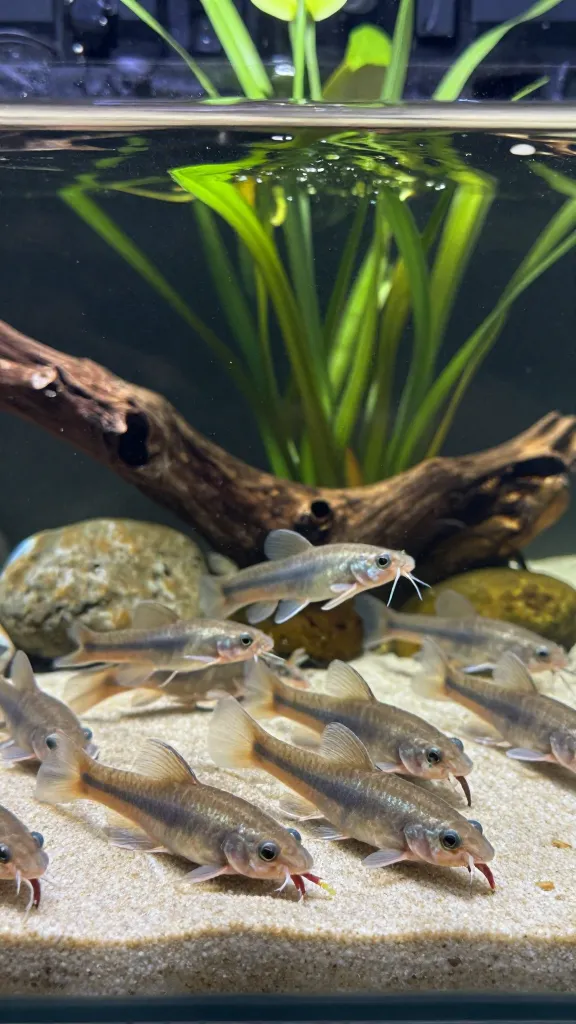
Medium cories are substrate sifters with electroreceptive barbels; they inhale sand and expel it through the gills to separate food. They gulp air at the surface to supplement oxygen via a vascularized gut, but frequent gulping often flags low dissolved oxygen or high temperature stress.
Run a shoal of 10–12 in a 30-gallon that’s at least 36 inches long with 1–1.5 inches of smooth sand. Keep pH 6.4–7.6, GH 3–10 dGH, temperature 72–76°F (paleatus lower end). Provide filtered flow at 6–8× per hour. The limit is nitrate creep: above 30 ppm, cories show fin-edge erosion even with pristine ammonia/nitrite readings.
8. Striped Raphael Catfish (Platydoras armatulus): 40 Gallons, Nocturnal Cave-Turner
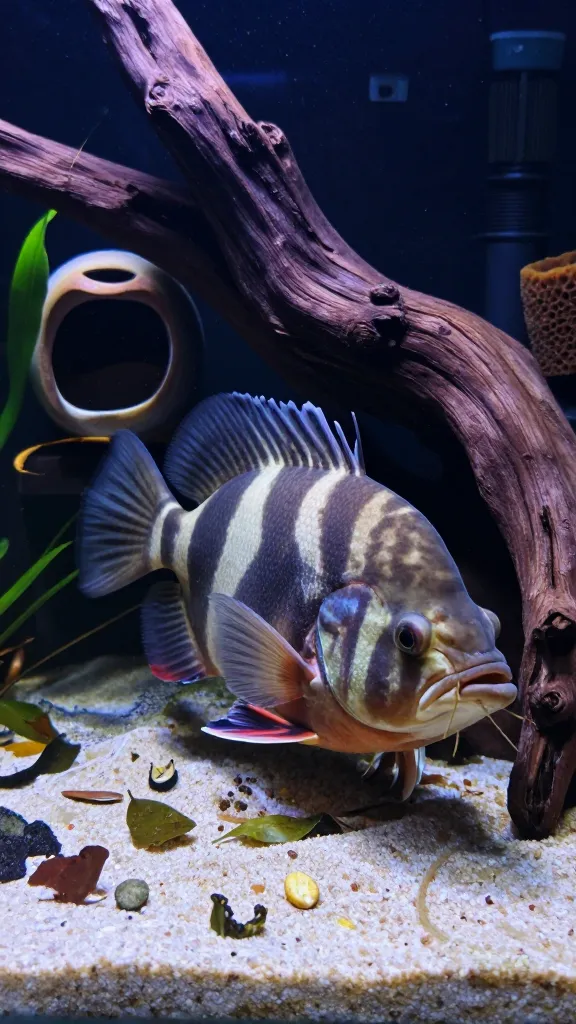
Raphaels are armored sound-makers that wedge into wood hollows by day and bulldoze for food at night; their pectoral spines and mass churn decor and trap waste that must be vacuumed. They excrete a lot for their size due to a protein-rich diet, so the mechanical side of filtration matters as much as bio.
House one in a 40 breeder (36×18 inches), pH 6.5–7.5, GH 4–12 dGH, temperature 75–80°F, with covered caves and intake guards. Target flow 6–8× per hour plus a dedicated prefilter you rinse weekly. Adult size 8–9 inches. The failure mode is hidden starvation in bright tanks: without dusk feeding, they lose weight while day-active fish steal pellets.
9. Yoyo Loach (Botia almorhae complex): 55 Gallons, Social Chaos Needs Runway
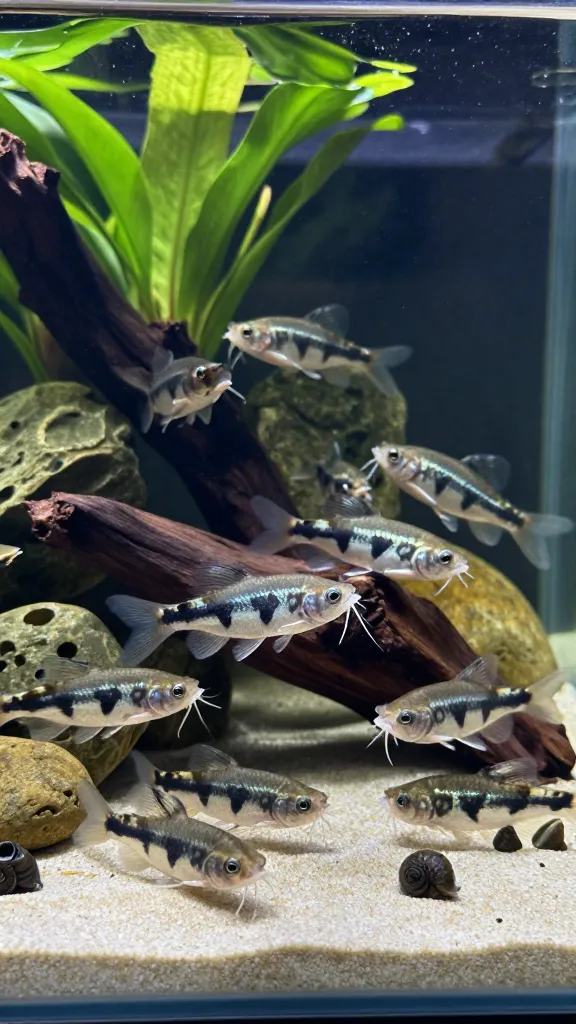
Yoyos are power-foragers that sift, wrestle, and reconfigure territories daily; their social ladder burns oxygen and space. Their subterminal mouths specialize on invertebrates, so they uproot plants unless rooted deep and armored with larger stone.
Keep 6–8 in a standard 55-gallon (48 inches) with mixed flow of 8–10× per hour and broken sightlines. pH 6.5–7.6, GH 5–12 dGH, temperature 76–80°F. They reach 5–6 inches. The limit is tank length: under 48 inches, chasing compresses into collisions and fin damage no filtration can fix.
10. Clown Loach (Chromobotia macracanthus): 180 Gallons, Warm River and Time
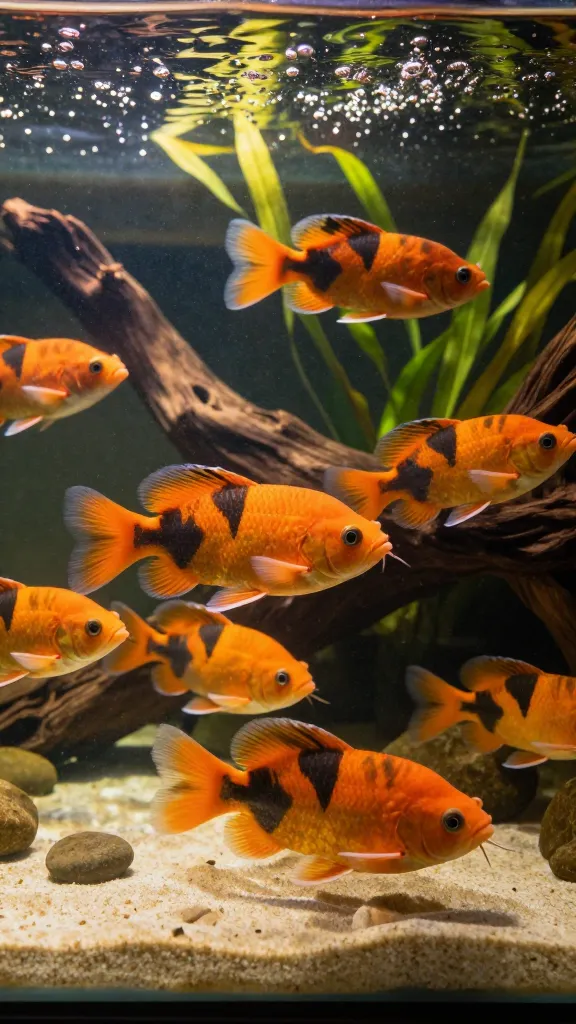
Clown loaches are slow-growing, long-lived river fish whose social unit is a raucous group; they communicate with clicks and need room to bank and sprint. Their metabolism at higher temperatures drives appetite and oxygen demand, and their eventual mass is the real constraint — not juvenile size.
Plan for 6+ in a tank at least 180 gallons and 72 inches long, temperature 79–84°F, pH 6.5–7.5, GH 5–12 dGH, with 10–12× per hour flow and heavy aeration. Adults commonly reach 10–12 inches in home aquaria. Stocking them to “grow out” in small tanks rarely works; they outpace your upgrade schedule faster than your filtration can keep dissolved oxygen safe during heat or power interruptions. My opinion: if you do not already own the 72-inch tank and backup aeration, choose a different loach — postponing the big box is not a plan.
Frequently Asked Questions
How many bottom dwellers can I keep in a 10-gallon tank?
Think in groups and footprint: a 10-gallon that’s 20 inches long can support 10–12 pygmy corydoras or a colony of Thai micro crabs, but not larger cories or loaches. The mechanism is lane length and oxygen — bottom fish use horizontal space to forage and avoid each other, and crowding pushes stress hormones up even if ammonia stays at 0 ppm. Keep nitrate under 30 ppm and temperature under 78°F for small species.
What size tank for a bristlenose pleco as a bottom dweller?
One adult bristlenose pleco needs at least a 30-gallon tank with a 36-inch run. They digest wood and vegetables more than algae, so you’re sizing for waste handling and rasp space, not window cleaning. Provide 8–10× per hour flow and driftwood, and expect an adult length of 4–5 inches.
Are bottom dwellers good “cleaners,” or do I still need maintenance?
You still need maintenance. Bottom dwellers convert leftover food into fish waste; they do not remove mass from the system, so solids and nitrate still rise unless you siphon and change water. Aim for weekly water changes of 30–50% and substrate vacuuming of open sand to prevent anaerobic pockets.
Which bottom dweller for a 20-long planted community?
A 20-long suits 6–8 kuhli loaches or 10–12 pygmy cories, provided you use fine sand and keep temperature around 75–78°F. The mechanism is lane length and substrate texture — both species forage by sifting; sharp gravel damages barbels and reduces feeding. Keep flow around 6–8× per hour with gentle returns to avoid blasting plants.
What tank size for clown loach bottom dwellers long term?
Plan on at least 180 gallons that is 72 inches long for a group of 6+. They reach 10–12 inches, thrive warm at 79–84°F, and need 10–12× per hour flow to keep oxygen high. Anything shorter compresses their social chasing into stress and injury, even with perfect filtration.
Choose by Footprint First, Not Just Gallons
Bottom dwellers spend their lives in the bottom third, so the governing number is length and sand depth, then temperature and dissolved oxygen. Tonight, measure your run in inches and check your substrate: if the top 1 inch is sharp gravel, swap to rounded sand before you add any barbels.
Questions about your own setup? Leave them in the comments and I will work through them. — Nate