12 10-Gallon Fish Tank Ideas — The Best Value Tank in the Hobby

I keep a 10-gallon on a bookshelf that cost me about $120 to get wet, and I still think 10-gallon fish tank ideas are the sweet spot for starting sane. A 10-gallon fish tank fits on ordinary furniture, takes a small sponge filter and a clip-on light, and gives you enough water volume to forgive beginner mistakes. By the end of this list you’ll have twelve concrete builds you can copy, what to buy and skip, and what each one roughly costs to start and run. I’ve crashed one and kept another rolling 18 months; both taught me that plants, patience, and cycling are not optional.
1. Low-Tech Jungle: Hardy Stems and a Shrimp Clean-Up Crew
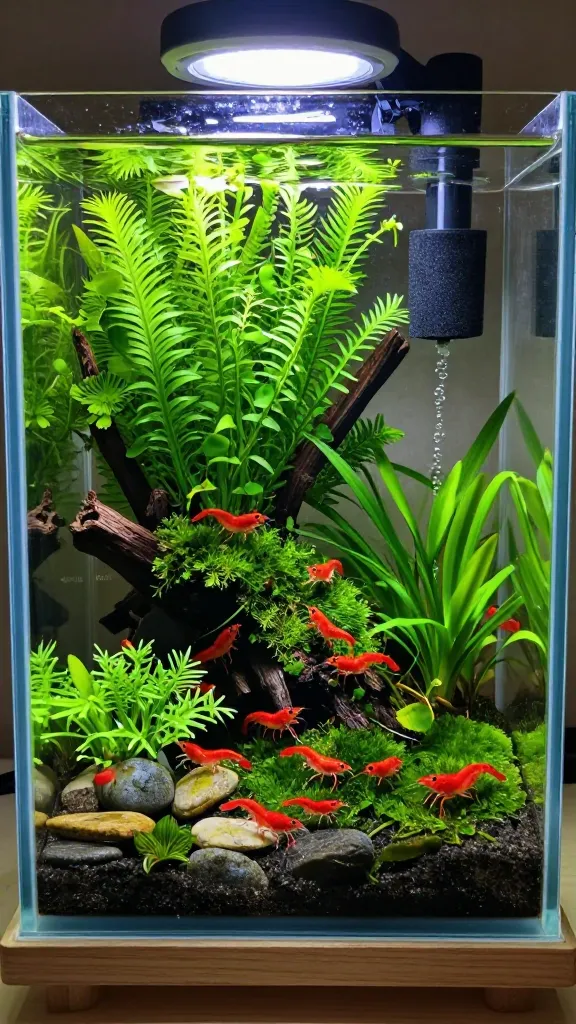
Pack the back and sides with water wisteria (Hygrophila difformis), hornwort (Ceratophyllum demersum), and a chunk of java moss, run a small sponge filter, and let a dozen cherry shrimp graze the biofilm under a gentle clip-on light. I set mine up for about $90–$140 including the tank, light, sponge filter, hardscape, and plants; the initial dozen shrimp added $25–$40. It took 6 weeks of cycling with plants before I added shrimp, and another 4 weeks before the stems really took off; this isn’t for someone who wants a scaped carpet in two weeks.
2. Quiet Betta in Ten: Heated, Filtered, Planted

One adult betta (Betta splendens), an adjustable heater set to 78°F, a baffled sponge filter, and easy plants like Anubias barteri, Cryptocoryne wendtii, and floating Salvinia to diffuse light. Mine has run 11 months with weekly 25% changes and cost $110–$170 to set up depending on the light; food and dechlorinator run about $3–$6/month. This is not a vase or bowl situation — bettas need a heated, filtered, cycled tank of at least 5 gallons — and long-finned males appreciate low flow.
3. The Dirted 10: of Soil, Big Leaf Payoff
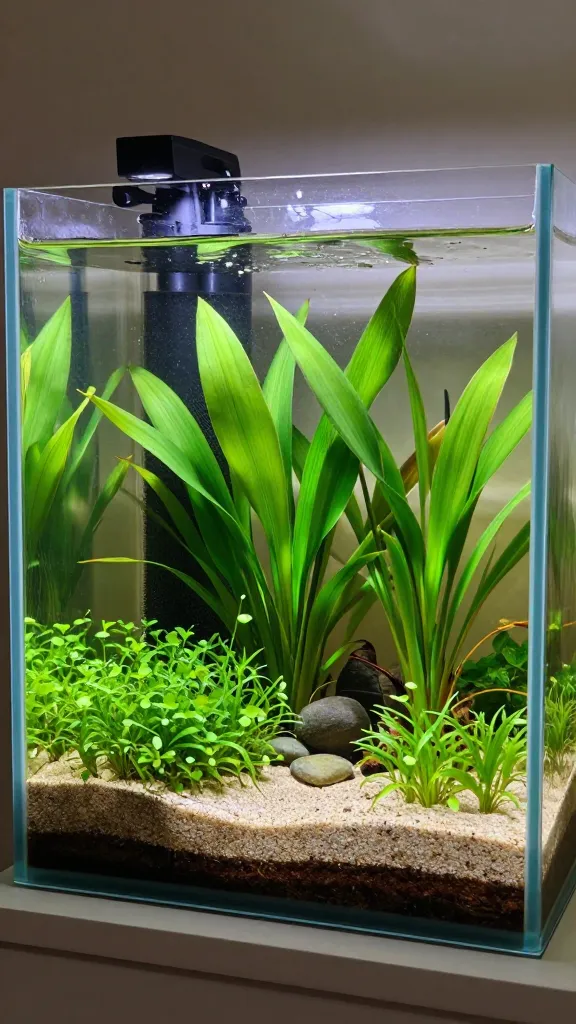
A capped dirt substrate (1 inch organic soil, 1 inch pool filter sand), slow growers like swords (Echinodorus bleheri), dwarf sagittaria (Sagittaria subulata), and a low-to-medium clip-on light. I spent $10 on soil, $12 on sand, and the rest on glass and a sponge filter for a total of $85–$130; it ran stable for 14 months without bottled fertilizer. If you uproot plants too often, you’ll get a mess — this style suits patient planters who move things once, not every weekend.
4. Pygmy Cory School and Leaf Litter Stream
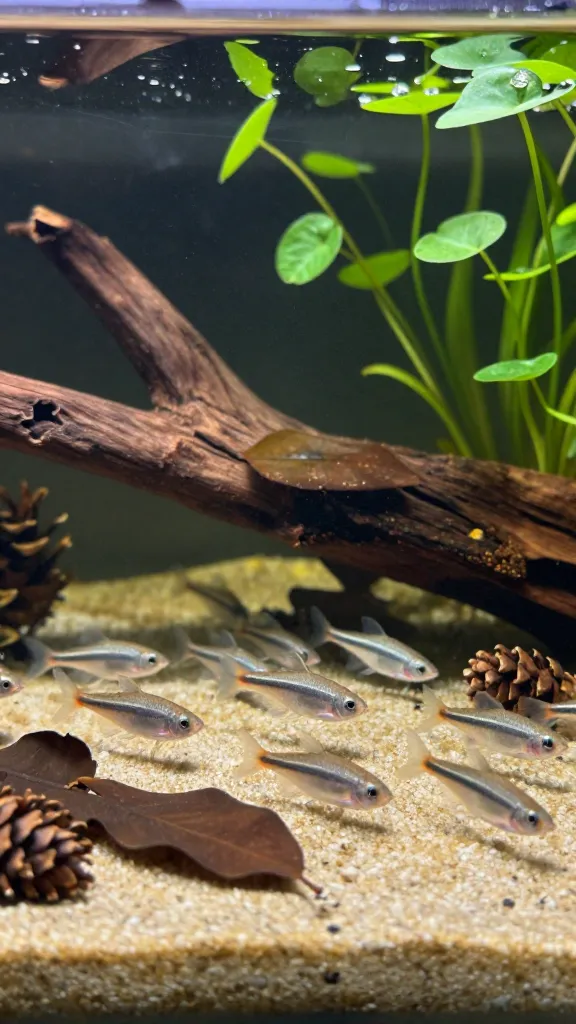
Six to eight pygmy corydoras (Corydoras pygmaeus; adult size ~1 inch), rounded sand, a fan of driftwood, Indian almond leaves, and emergent stems like pennywort to break up sightlines. Stocking the group plus plants and wood put me around $140–$200, and the fish settled within 2 weeks after cycling to forage in the open. Skip this if your tap runs over 10 dGH and you don’t want to cut with RO — pygmies prefer softer water and consistent, oxygenated flow.
5. The No-CO2 Carpet That Actually Works

Use a fine black sand, heavy root tabs under dwarf sagittaria and Helanthium tenellum, and a medium clip-on light on a 6–7 hour photoperiod; add floating plants if algae threatens. My carpet took 10–12 weeks to fill half the floor and cost $120–$180 including substrate, tabs, and plants. It will not behave under a “room lamp” — you need a purpose-made aquarium light with a dimmer; crank it too high and algae will beat the carpet every time.
6. Pea Puffer Trio in a Snail Farm Garden
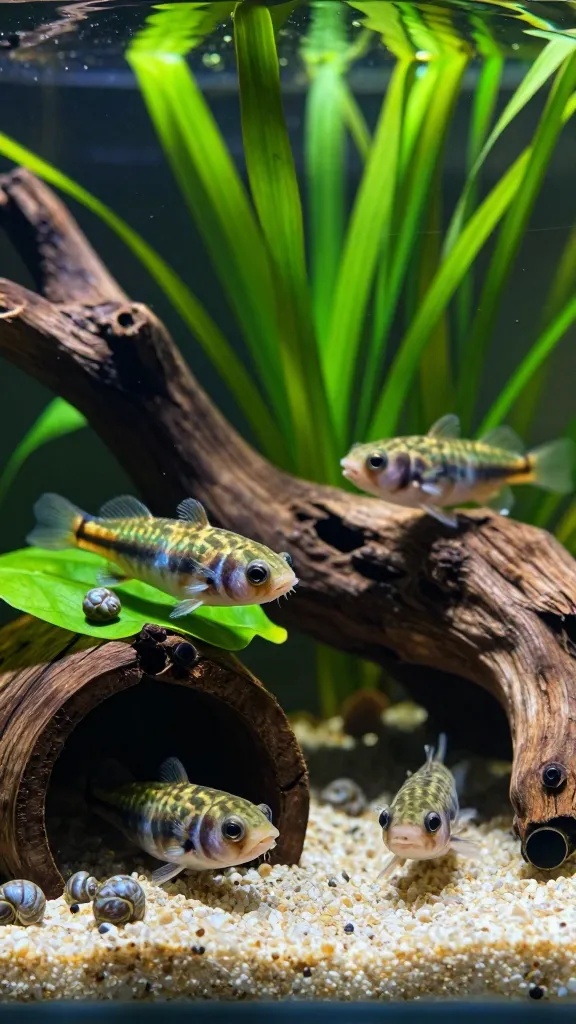
Three pea puffers (Carinotetraodon travancoricus; adult size ~1 inch) in a plant maze of vallisneria, crypts, and wood caves, fed regularly on pond snails you culture in a separate tub. I spent $160–$230 to set this up including a backup snail bin, and a trio has coexisted for 9 months without nipping plants. Not for hands-off keepers: feeding is daily, they’re sensitive to poor water, and you can’t toss them in with shrimp or slow fish — they will hunt.
7. Nano Livebearers with Fry Shelter
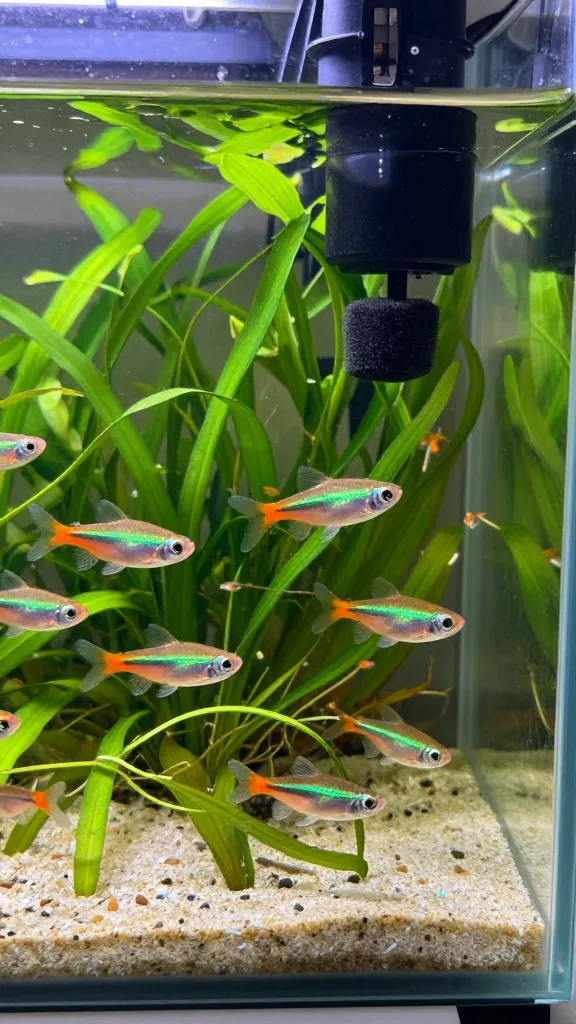
A group of six to eight endlers livebearers (Poecilia wingei; adults ~1.2 inches), dense hornwort and guppy grass for fry cover, and a pre-filter sponge on the intake. Mine threw fry within 4 weeks of adding fish; I rehomed juveniles monthly to keep the colony at 10–12 and spent $120–$180 on hardware and plants. If your tap is soft (below 4 dGH), add crushed coral or choose a species that prefers soft water — endlers want minerals to thrive.
8. The 0 Hardscape-Forward Aquascape

One striking piece of manzanita and 8–12 pounds of dragon stone, with epiphytes only: Anubias nana ‘petite’, Microsorum pteropus (java fern), and Bucephalandra on superglue and thread. I kept the plant list tight and brought the startup to about $100–$140, then let it mature 8 weeks before adding shrimp. If you try to save with sharp, crumbling rock, you’ll regret it — spend the few extra dollars per pound on inert, scape-friendly stone and you set yourself up to win.
9. Blackwater Ten: Tea-Tinted Calm

Driftwood, alder cones, and catappa leaves to tint the water, floating Salvinia to mute light, and a sponge filter with gentle flow; stock with a small group of chili rasboras (Boraras brigittae; adult ~0.8 inch) after cycling. My tannins stabilized by week 4; startup cost was $130–$190 including botanicals, with monthly leaf top-ups around $5–$10. If you want crystal-clear glass and white sand, this aesthetic will fight you — the charm is the tea hue and the leaf litter.
10. Shrimp-First Community: Neocaridina with a Single Centerpiece
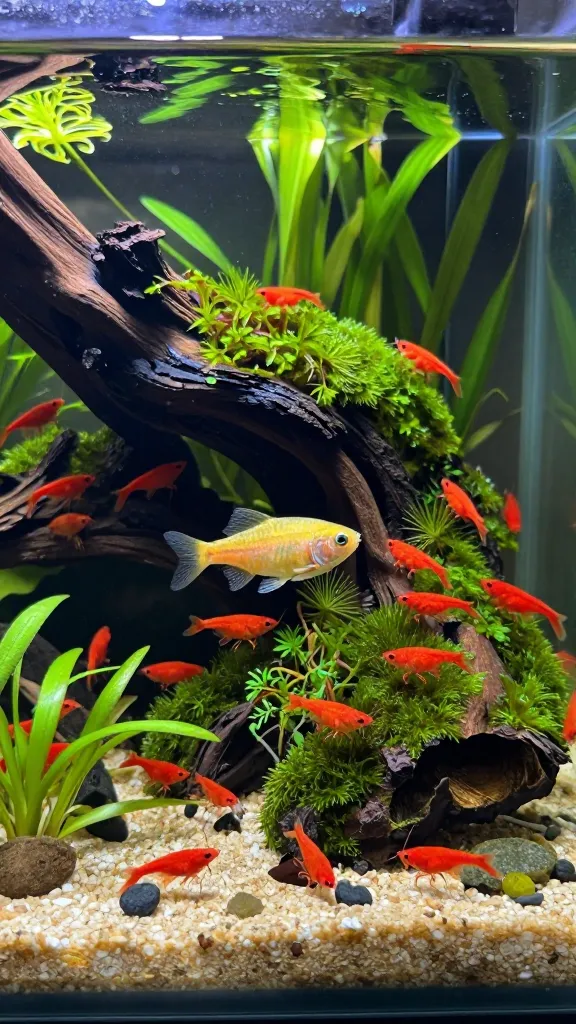
Start with 15–20 Neocaridina shrimp, let the colony establish 8–10 weeks, then add one peaceful centerpiece like a honey gourami (Trichogaster chuna; adult ~2 inches) while keeping complex hardscape and mosses. I spent $150–$220 total and watched the shrimp colony triple to ~60 over 6 months with weekly 20% changes. If you add the fish before the shrimp settle and breed, you’ll suppress the colony — patience first, centerpiece later.
11. Coldwater Ten: White Clouds and Windowlight Restraint
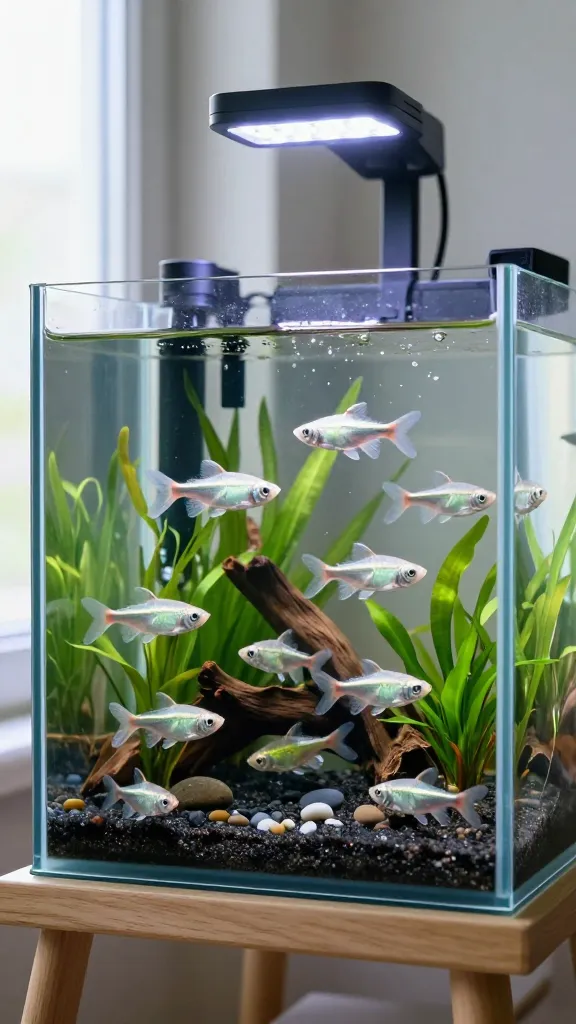
Eight white cloud mountain minnows (Tanichthys albonubes; adults ~1.5 inches), no heater if your room holds 64–72°F, and hardy plants like hornwort and Anubias that tolerate cooler water. My unheated ten ran 1 year at 68–70°F, with startup around $100–$160 since I skipped a heater entirely. Don’t actually rely on a windowsill for light — algae will win — use a small light on a timer and put the tank a few feet from the glass.
12. The Quiet Nightstand Paludarium Hybrid

Build a sloped hardscape with 4 inches above the waterline, run the water at roughly half height, and plant emersed pothos, peace lily, and Anubias with submerged moss and crypts; a sponge filter keeps circulation. Mine took $120–$180 to assemble and has run 7 months, evaporating about 0.5–1 gallon/week that I top off with dechlorinated water. Skip fish that jump — instead use shrimp and snails — and add a mesh lid if you insist on micro fish, or you’ll find them on the floor.
Frequently Asked Questions
How much does a 10-gallon fish tank cost to set up?
A realistic band is $90–$200 for the tank, light, small sponge filter, heater (if needed), substrate, and starter plants. Livestock then adds $20–$60 depending on species. Skipping the heater for coldwater fish drops cost; upgrading hardscape raises it.
Are 10-gallon fish tanks good for beginners?
Yes — 10 gallons is the best value I’ve found because it’s small enough for a shelf but big enough to buffer mistakes. With a sponge filter, a clip-on light, and hardy plants, you can cycle in 4–6 weeks and keep stocking reasonable and safe.
What fish fit a 10-gallon fish tank without overcrowding?
Examples that work are one betta, a trio of pea puffers, eight white clouds, six to eight pygmy corys, or a small group of endlers; always confirm adult size. Keep bioload modest and do weekly 20–30% water changes to maintain stability.
Do I need a heater for a 10-gallon?
If you keep tropical species, yes — an adjustable heater set between 76–80°F for most tropicals is standard. For coldwater fish like white clouds, a stable room at 64–72°F can be fine, but swings wider than 3°F/day are stressful.
How long should I cycle before adding fish to a 10-gallon?
Plan on 4–6 weeks with plants and a running filter before any fish, or 6–8 weeks if you’re new and want a margin. Test for zero ammonia and nitrite on two separate days, and only then add livestock slowly over another 1–2 weeks.
Start Small, Start Planted
The single thing that keeps 10s happiest is plant mass in first and patience measured in weeks, not days. If you want a first step this week, buy a small sponge filter, a bag of sand, and three easy plants — Anubias, java fern, and hornwort — and get them growing under a timer while the cycle builds.
Questions about your own 10? Leave them in the comments — I answer all of them. — Maya