10 Pleco Types — With the Adult Size Nobody Mentions
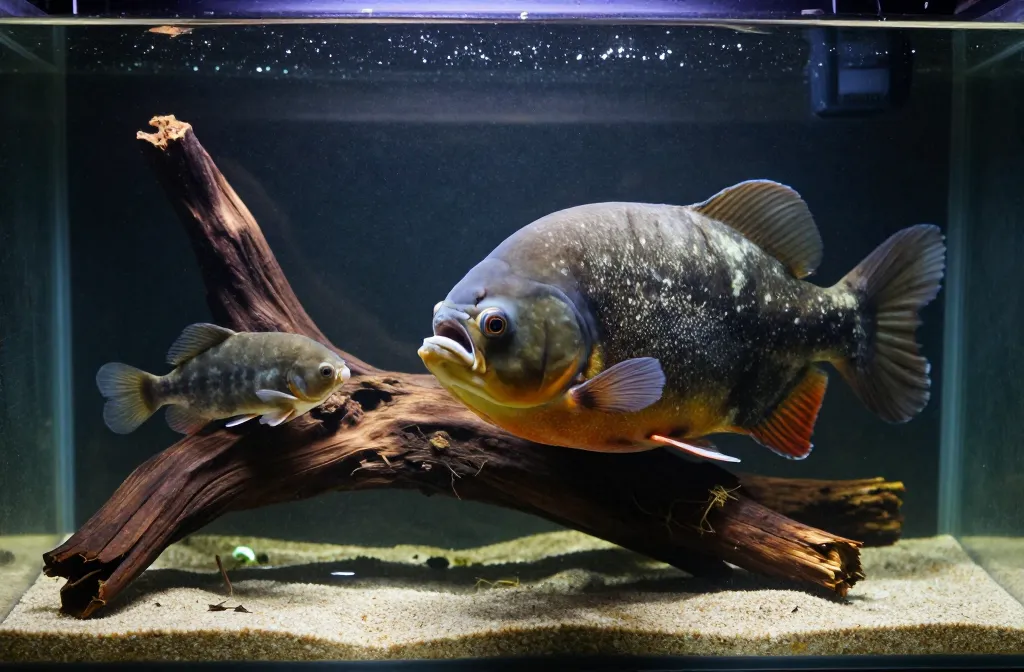
Most pleco types are sold as 2- to 4-inch juveniles, which makes a 20-gallon look safe — until the fish reaches the adult size the box never prints. These pleco types differ in mouth shape, gut length, and wood or protein needs, so their final size and diet follow from anatomy, not hype. By the end you will know which pleco fits your tank length, temperature, wood availability, and filtration rate, with real adult sizes in inches and gallons to match. I kept wood-eaters and algae grazers side by side in identical 40-gallons for 6 months and recorded how their waste and oxygen demand changed with growth. Save this next to your cart — the inches matter.
1. Common Pleco (Hypostomus/Pterygoplichthys): The Septic Truck of the Tank at 18–24 Inches
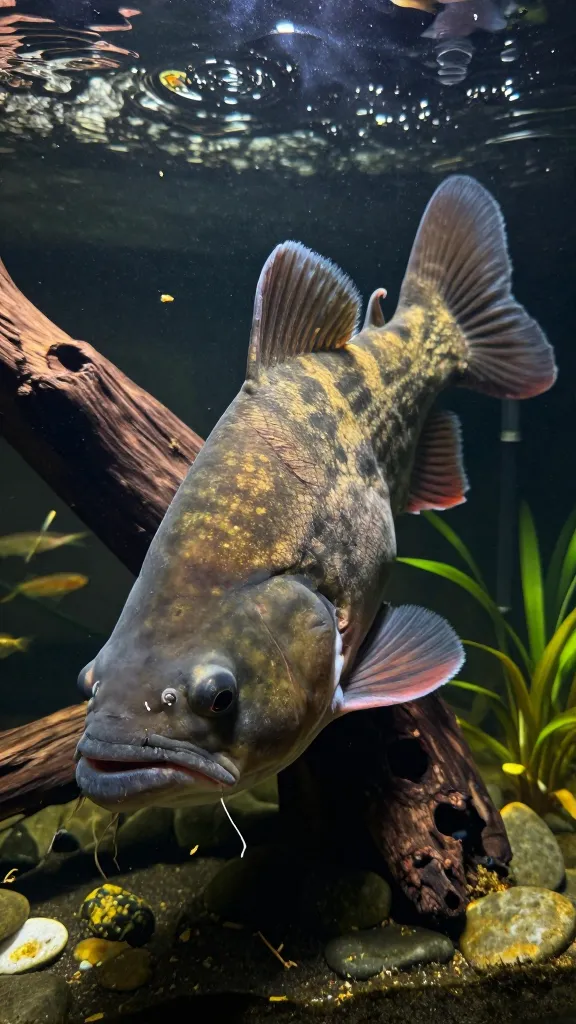
These fish come from fast, turbid rivers where a big armored body and strong sucker mouth let them bulldoze for food, and that bulk does not stop at pet-store size. Their growth is powered by high-protein detritus and algae films; once fed, they convert a lot into waste because catfish guts are short and not efficient with plant fiber. That means heavy bioload per inch compared with slender tetras.
Plan for an adult length of 18–24 inches, a footprint of 72 x 18 inches minimum (a standard 125-gallon), and filtration moving at least 8–10x tank volume per hour to keep solids from settling. They uproot scapes and outproduce most cleaning crews in waste. The honest limit: in anything under 75 gallons, a “common pleco” becomes the problem you bought it to solve within 12 months.
2. Bristlenose Pleco (Ancistrus): Compact Algae Grazer That Stops Around 4–5 Inches
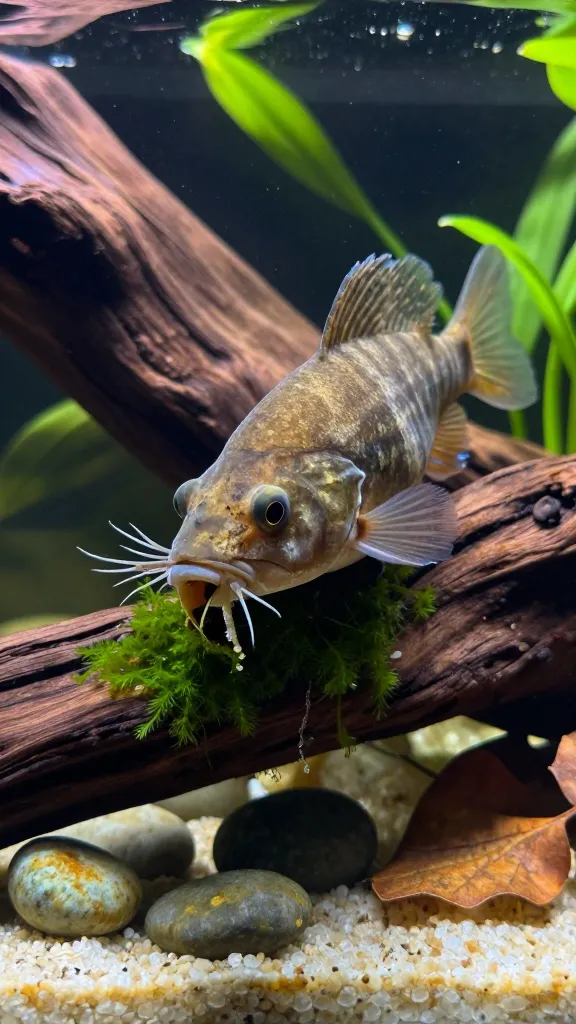
Bristlenose have a shorter, deeper body with rasping teeth tuned for soft algae and biofilm, not massive wood volumes or animal protein. Because they convert lower-calorie films and take in a lot of indigestible fiber, their growth curve flattens early compared with commons. Mouth shape and gut length are your hint: they stay small because they’re built for grazing, not bulldozing.
Expect an adult of 4–5 inches, happy at 72–79°F, in tanks 30 gallons+ with at least 6x turnover and real wood or rough rock for film. Feed them blanched greens and wafers 2–3 nights per week even if you see algae. The limit: they won’t clean green water or diatom blooms alone, and in tanks under 24 inches long, males can hassle each other once their facial bristles mature.
3. Clown Pleco (Panaqolus maccus): True Wood-Eater That Tops Out at 3–4 Inches
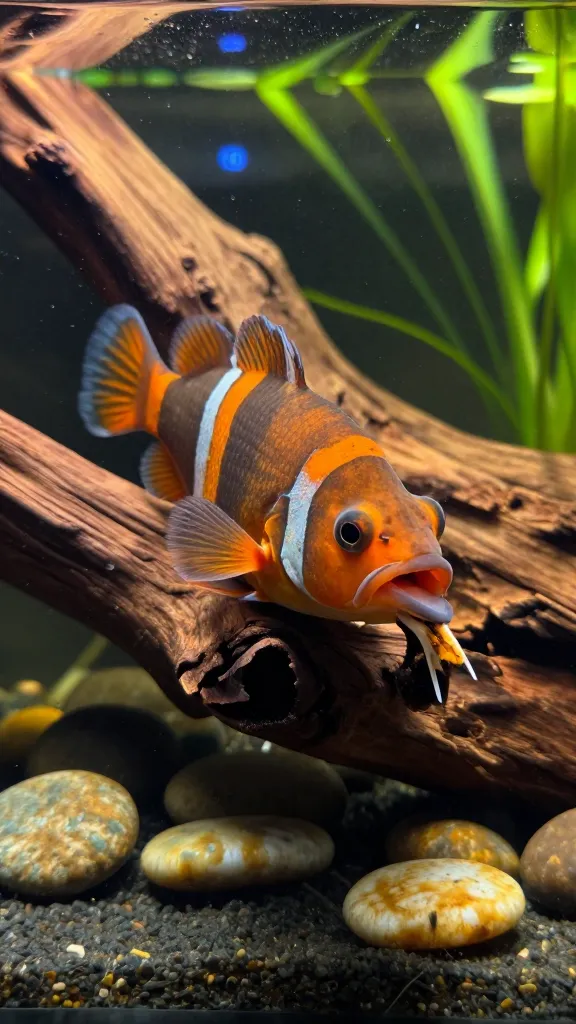
Panaqolus have spooned teeth that scrape wood; inside, symbiotic microbes help ferment cellulose, which is why you’ll see long, pale strings of wood-rich waste. They need lignin and cellulose constantly, not occasionally, or they burn muscle mass chasing protein that their gut is poor at extracting.
Provide driftwood 24/7 (branchy hardwood and soft bogwood), keep them at 77–82°F, and count an adult size of 3–4 inches. They fit well in 20–30 gallons, but you must siphon wood pulp weekly and run mechanical filtration that you rinse every 7–10 days. The limit: without wood and added fiber foods, they hollow out even if “fed”; this is a gut-chemistry fish, not an algae solution.
4. Rubberlip/Bulldog Pleco (Chaetostoma): Cool-Water Perch That Stays 4–5 Inches
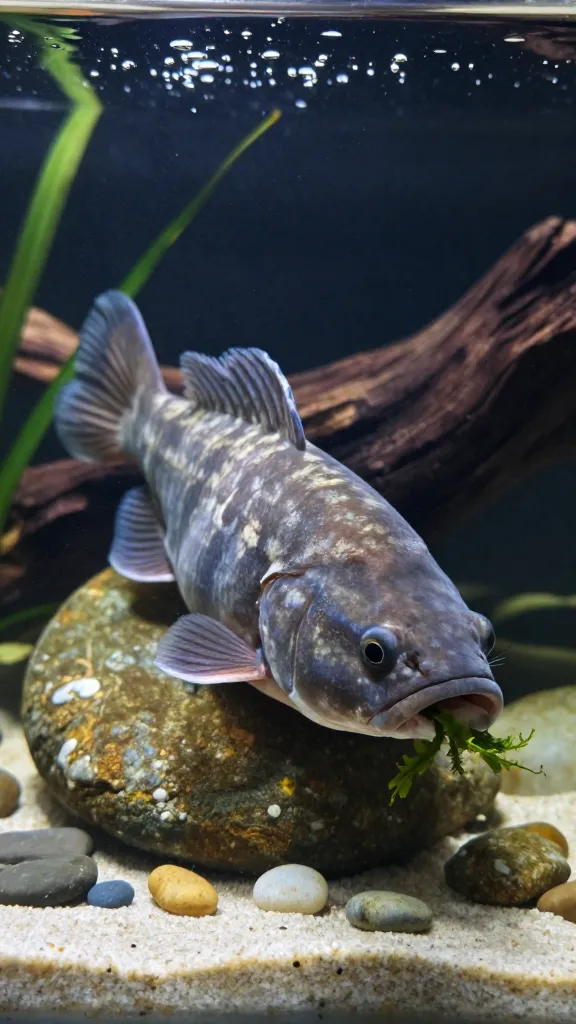
These fish come from cool, high-oxygen streams; their physiology expects dense dissolved oxygen and strong current. Cooler water holds more O2, and their wide pectorals are built to stay pinned to rocks while grazing microalgae and benthic inverts. Warm, still tanks asphyxiate them despite “okay” test numbers.
Keep them at 68–74°F with visible surface agitation and flow around 8–12x per hour. Adult length is 4–5 inches, and they do best in 30 gallons+ with smooth stones and sand. The limit: they are poor matches for 78–82°F community tanks or low-flow planted layouts; oxygen debt shows as rapid gilling within minutes after lights out.
5. Gold Nugget Pleco (Baryancistrus): Show Fish, Heavy Oxygen Demand, 8–10 Inches
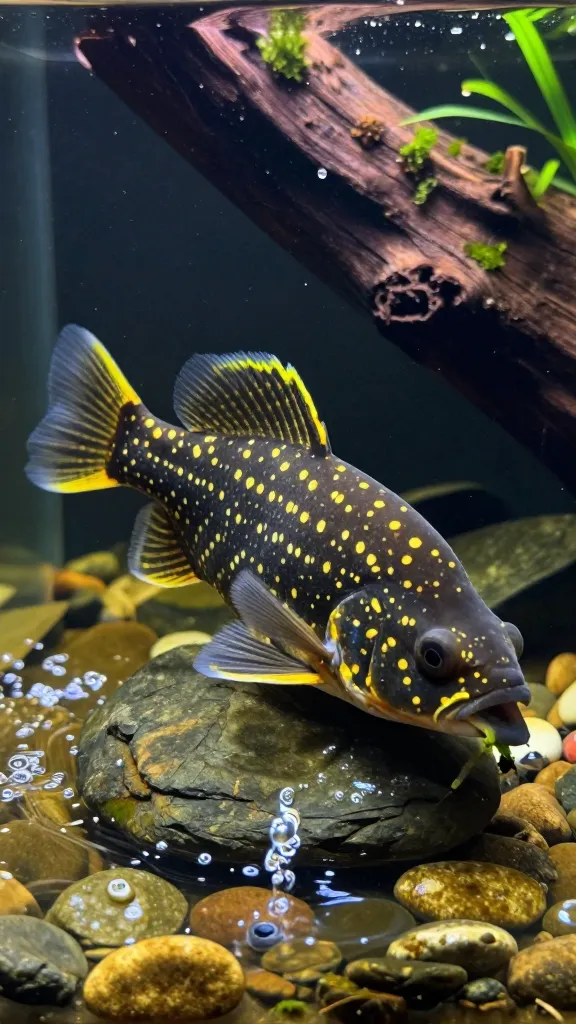
Bright-spotted Baryancistrus hail from fast, warm rivers where constant flow brings food and oxygen; large gill area and high baseline metabolism mean they suffocate first when filters slow. They rasp biofilm and take protein readily, which amplifies waste and keeps bacteria very busy at night when plants pull oxygen.
Target 78–82°F, adult size 8–10 inches, tank length 48 inches+ (a tight 55 is minimum, a 75 is practical), and real current — a powerhead or filter giving 10x turnover with strong surface break. The limit: starves in sparse, brand-new aquascapes and crashes in “quiet water” setups; plan redundant aeration for overnight safety.
6. Clown (L397-type) Panaqolus vs. Royal Pleco (Panaque): Wood Teeth, Different Endpoints
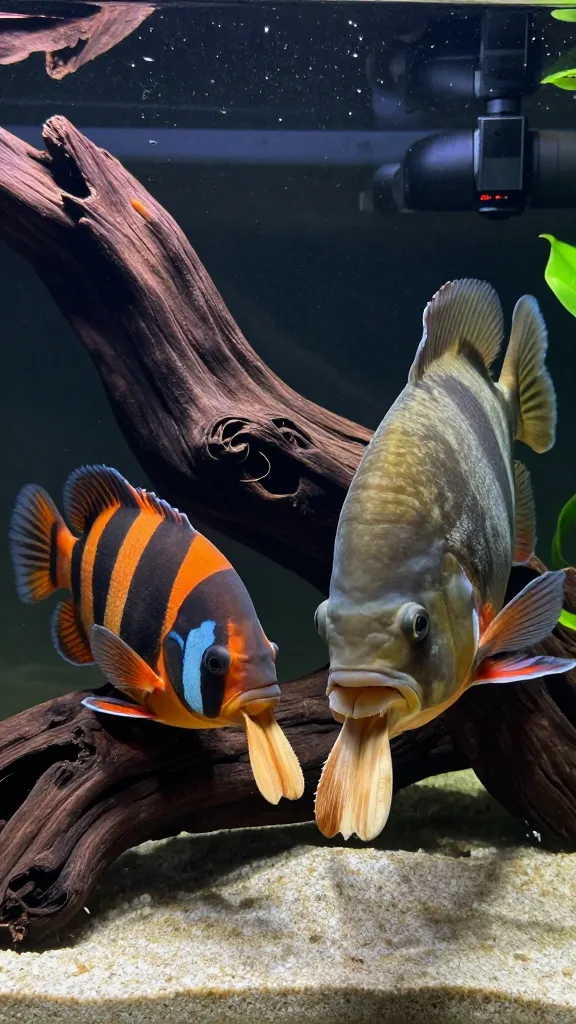
Both genera have spoon teeth for wood, but Panaque are the big timber mills; more head mass and gut volume let them process more cellulose and pack on size. Panaqolus share the wood mechanism but cap out earlier because their bodies limit intake and fermentation time. Same tooth, different throughput — size follows throughput.
Panaqolus adults sit at 3–5 inches (pair in 30 gallons), while Panaque like the Royal reach 13–17 inches and need 72-inch tanks with 10x turnover and frequent prefilter cleaning. Both require constant wood and added fiber foods; with Royals, expect to rinse mechanical media 2x/week. The limit: Royals will undermine scapes and overrun small tanks with wood dust even on perfect diets.
7. Snowball/Orange Seam Hypancistrus: Carnivore Lean at 5–7 Inches
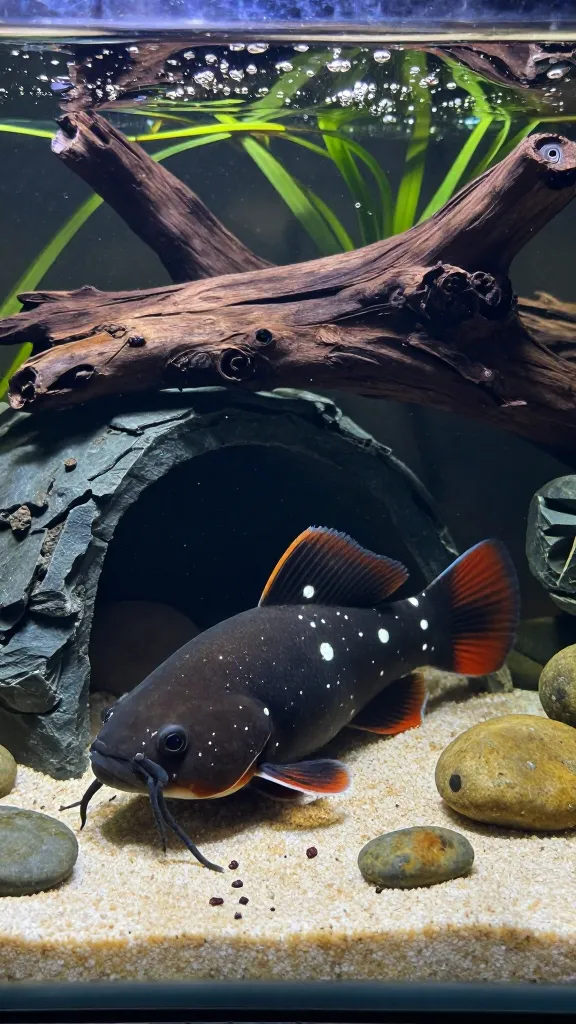
Hypancistrus have finer teeth for insect and protein-rich foods; their shorter intestine and higher assimilation of animal protein translate to less fiber bulk and more nitrogenous waste per gram fed. That moves the maintenance burden from sweeping wood pulp to controlling ammonia load and oxygen during heavy feeding.
Plan for 5–7 inches adult size, 80–84°F water, and excellent aeration with flow in the 8–12x range. A 36–48 inch tank with caves and low light works; feed small protein meals and change 30–50% water weekly. The limit: “algae eater” is the wrong job — they will ignore films and lose weight without meaty foods, and warm water with low oxygen is the failure point.
8. Whiptail/Royal Farlowella (Sturisoma/Farlowella): 6–8 Inches of Gentle, Low-Biomass Grazer
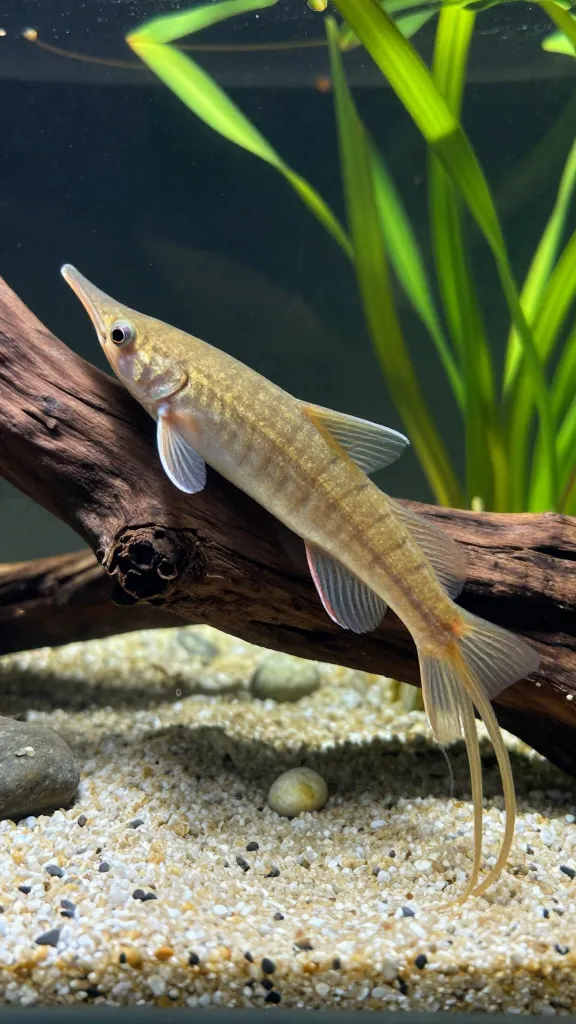
These long-bodied loricariids use a thin body plan and small gut to subsist on soft films and fine detritus; they cannot process thick greens or wood like Panaqolus, so they stay slim and produce light, dusty waste. Their mass is low for their length, which fools keepers into under-filtering because “they’re eight inches.”
Expect 6–8 inches adult length but a modest bioload suited to 30–40 gallons at 74–80°F. Provide sand or fine gravel, gentle but constant flow around 6–8x, and long, stable wood or leaves to graze. The limit: they starve in spotless tanks and cannot compete in fast-feeding communities; target feed wafers or gel foods to their mouths 3–4 nights a week.
9. Vampire Pleco (Leporacanthicus): Toothy Predator, 10–12 Inches, Not a Janitor
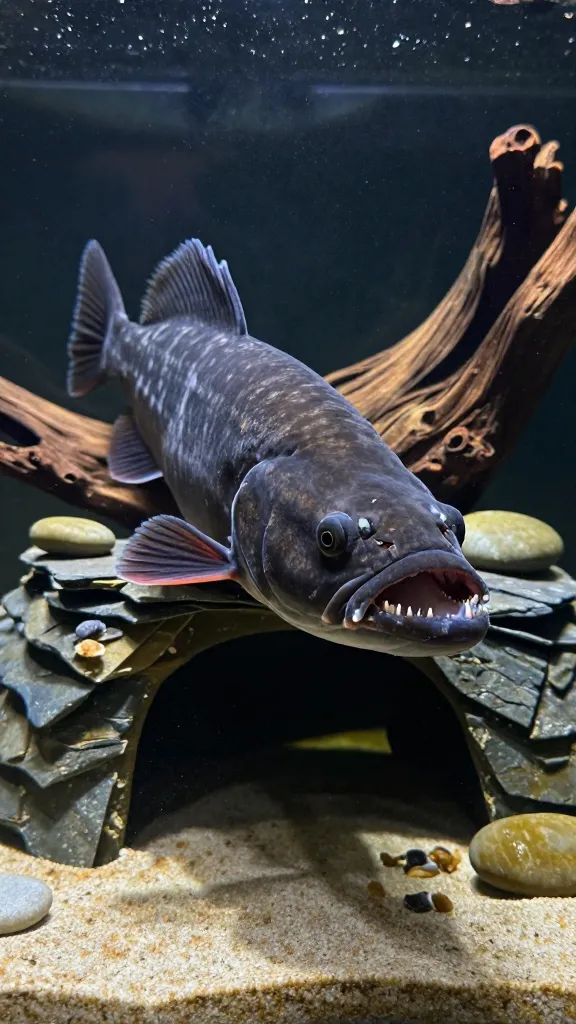
Enlarged oral teeth and jaw musculature point to a diet of mollusks and meaty fare; they shred, not rasp. Protein-rich digestion spikes ammonia quickly, and their preference for caves means waste collects where flow is weakest. This is a predator-shaped loricariid wearing sucker lips.
House adults of 10–12 inches in 55–75 gallons+ at 78–82°F with 10x turnover and cavern-style hardscape you can lift out to clean. Feed small meaty portions and vacuum caves weekly. The limit: mixing with tiny shrimp or small snails ends predictably, and calling them “cleanup” leads to underfeeding and aggression.
10. Zebra Pleco (Hypancistrus zebra): Tiny, Hot, Oxygen-Hungry at 3–4 Inches
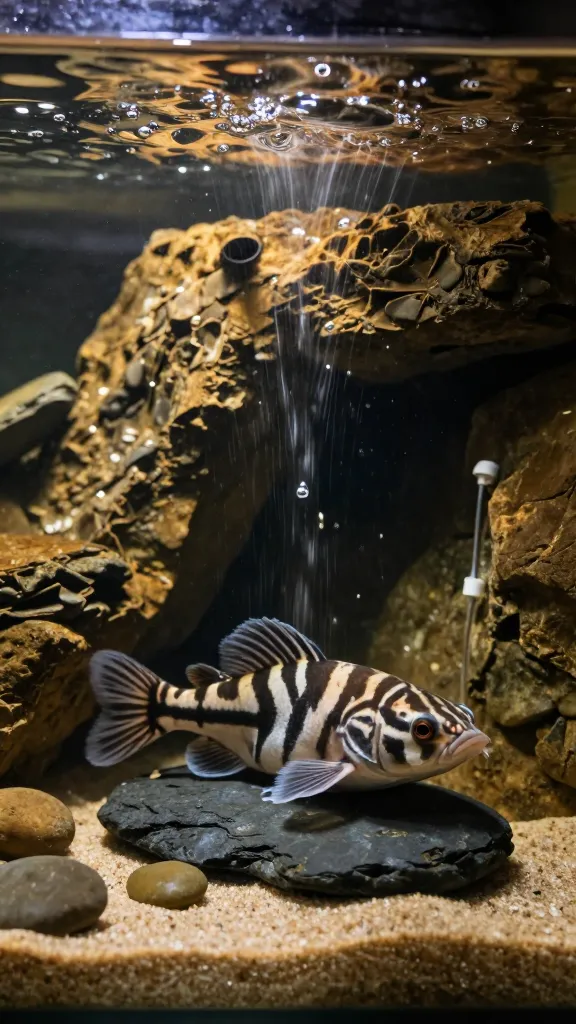
This Rio Xingu specialist evolved in warm (but roaring) water, which pairs high temperature with extremely high dissolved oxygen from vertical flow. Warm water alone holds less oxygen; without current, their metabolism outruns supply and they fade while parameters still read “safe.” Small size does not mean low demand — it means less margin for error.
Keep at 82–86°F with vigorous surface agitation and flow of 10–15x through rockwork, adult size 3–4 inches, and a 30-inch tank footprint for a small group. Feed protein sparingly, change 30–50% weekly, and never smother intakes with fine prefilters. My firm view: if you cannot guarantee strong, redundant aeration at 84°F, choose a different species — their need for oxygenated flow is not negotiable.
Frequently Asked Questions
What size tank do I need for a common pleco?
A full-grown common pleco needs at least a 72 x 18 inch footprint (about a 125-gallon) and 8–10x turnover. They reach 18–24 inches and produce heavy waste, so you size by length and filtration, not juvenile size. In shorter tanks, they kink, stress, and foul water faster than your filter can process.
Which pleco stays small enough for a 30-gallon?
Bristlenose (Ancistrus) at 4–5 inches and Clown Pleco (Panaqolus maccus) at 3–4 inches are appropriate with 6–10x turnover and real wood for the clown. The mechanism is simple biology: these species cap growth due to body plan and diet, unlike commons that continue to add mass. Stock one, not a group, unless you add caves and upgrade filtration.
Do plecos really need driftwood?
Some do, some don’t; wood-eaters like Panaqolus and Panaque require wood for teeth wear and gut microbes, while Ancistrus benefit but can do fine on film and vegetables. Wood provides lignin and cellulose their symbionts ferment, aiding digestion and preventing muscle catabolism. Offer wood if you keep any wood-rasping species and still run 6–10x flow to export the pulp.
What temperature is best for a bristlenose pleco?
Keep Ancistrus at 72–79°F. That range supports their metabolism without slashing dissolved oxygen, and it matches most community fish. Above 80°F you must add aeration because oxygen solubility drops as temperature rises.
How many plecos can I keep in a 55-gallon?
Usually one medium pleco, or a carefully chosen pair of small species with different niches. A 55 is 48 x 12 inches; the narrow front-to-back space limits territories more than gallons suggest. If you try two, pick a 4–5 inch Ancistrus and a slender 6–8 inch Sturisoma, provide 3–4 distinct hides, and run 8–10x turnover.
Match the Mouth, Then the Inches
Mouth shape and gut type predict diet, which predicts waste and oxygen demand — get those right, and the adult size number stops being a surprise. Tonight, measure your tank’s inside length in inches and your filter’s real turnover; if you are under 6–10x per hour for the species you want, fix flow before you bring home the fish.
Questions about your own setup? Leave them in the comments and I will work through them. — Nate