10 Betta Mistakes Every Beginner Makes — I Made Six of Them
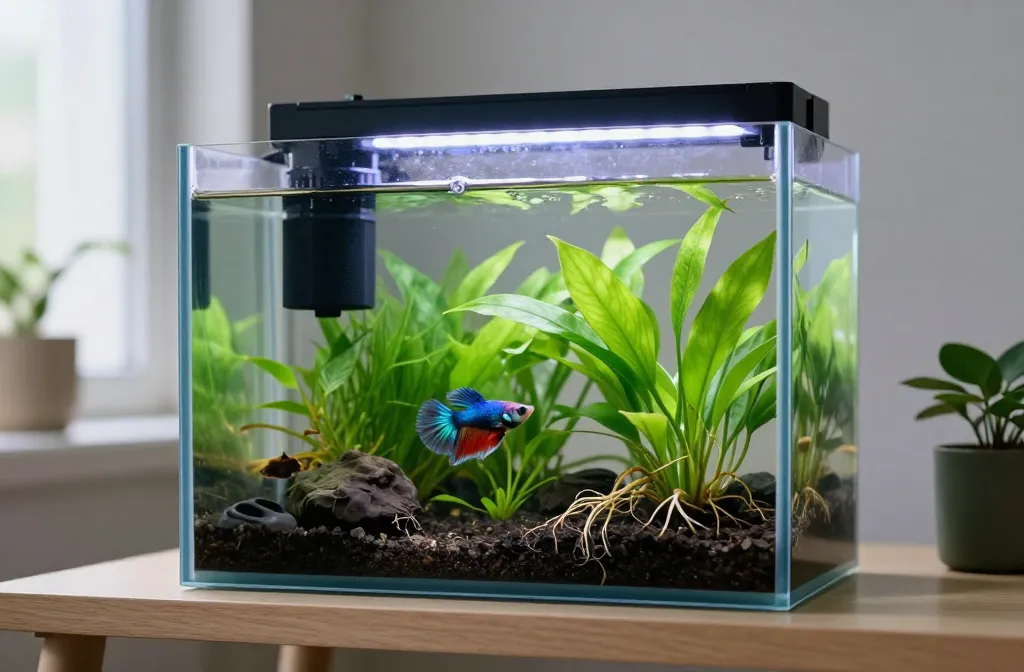
My first betta sat on a bookshelf next to a pothos cutting, and I thought I was doing okay until week three when the water turned tea-brown and he started clamping his fins. Betta mistakes pile up fast in small spaces, and the good news is most fixes are cheap and obvious once someone says them out loud. By the end of this, you’ll know exactly what to buy, what to skip, and the real costs for a healthy, heated, filtered betta tank you can keep on a desk. I crashed one plan and then got it right for under $120 spread over a month. The small victories — a bubble nest, a curious nose at feeding time — make the learning curve worth it.
1. A Bowl Isn’t a Home: The 5-Gallon, Heated, Filtered Minimum
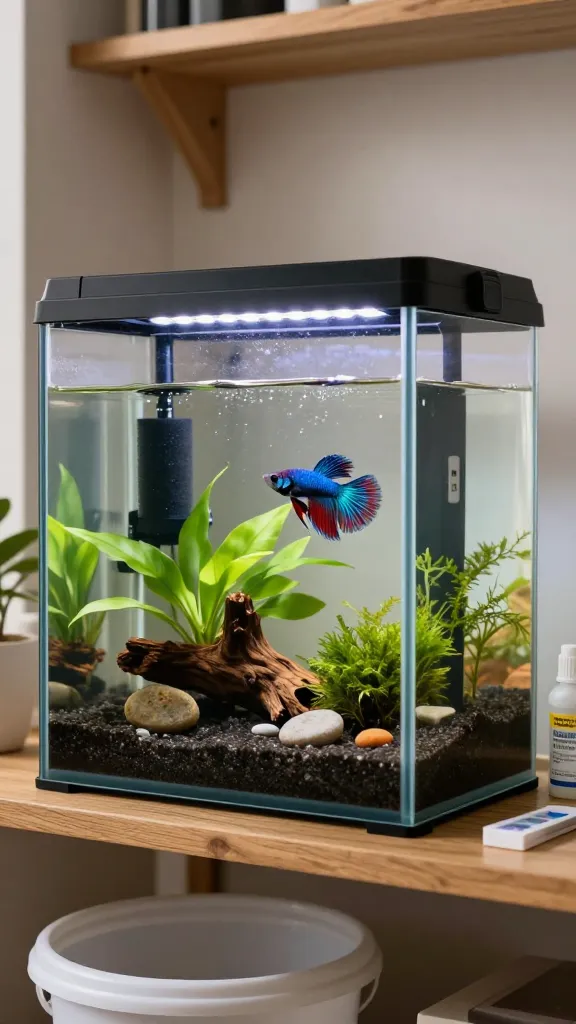
A betta is a tropical fish that needs a rectangular, lidded tank of at least 5 gallons, a gentle sponge filter, and an adjustable heater set to 78–80°F. Set it up on a shelf that can hold at least 60 lb, with space for a light and a weekly water-change bucket. Around me, a 5-gallon tank, sponge filter, heater, and clip-on light come to $80–$130 depending on sales; substrate and plants add $20–$40. The catch is space and patience: it takes 3–6 weeks to cycle before a fish goes in, and a bowl or vase — no matter how pretty — does not meet welfare standards.
2. Skipping the Cycle: Ammonia Burns Are Invisible Until They Aren’t
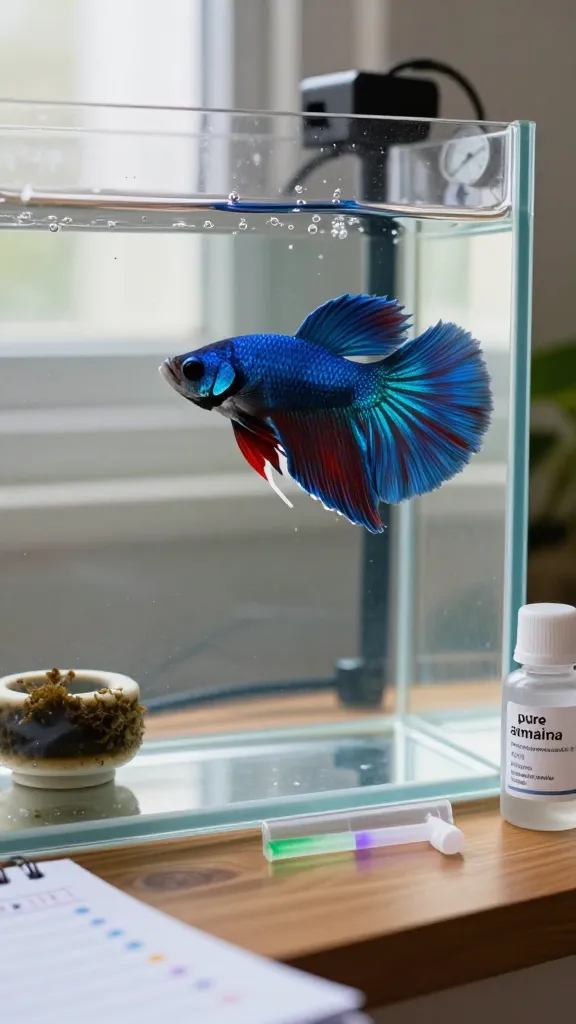
Cycling means growing bacteria that convert toxic ammonia to nitrite and then to less toxic nitrate; your filter and surfaces need time fed by pure ammonia or fish food. Expect 3–6 weeks to hit stable zeros on ammonia and nitrite on a liquid test kit. I rushed once at week two and watched a betta gasp at the surface; it took 10 days of daily 50% changes to stabilize. The hard part is boredom: you test, you wait, and you do not add the fish until the numbers say you can.
3. No Heater, No Betta: Room-Temperature Tanks Chill at Night
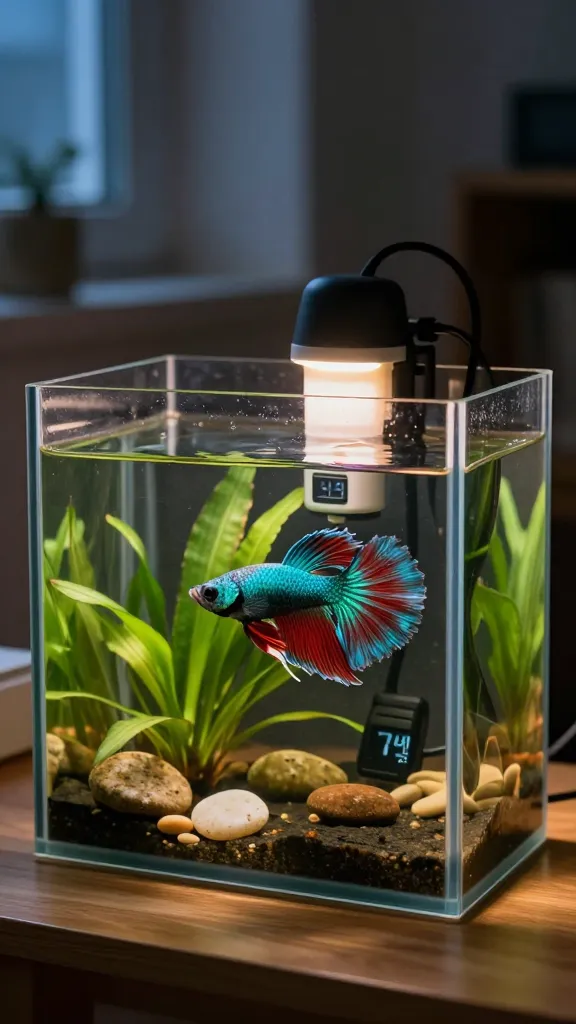
Betta splendens are tropical; they need stable, warm water, not a room that “feels fine.” Use an adjustable heater sized for 5–10 gallons and a thermometer you can read at a glance. A basic heater/thermometer combo costs $20–$35 and holds 78–80°F even when the room drops to 66°F at night. The caveat is variability: oversized heaters can overshoot in a 5-gallon, so buy the right wattage and always verify the temperature daily for the first week.
4. Water Changes: Small, Weekly, and Measured Beats “When It Looks Dirty”
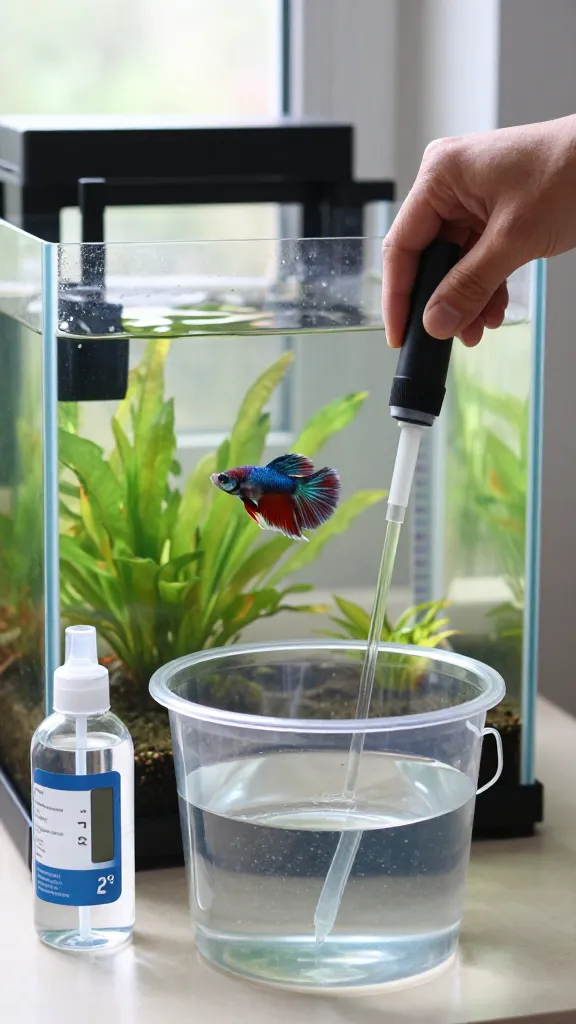
Set a routine: change 25–35% of the water every week in a cycled 5-gallon, using dechlorinated water matched within 2°F of the tank. I calendar Sundays; it takes 12 minutes with a mini siphon and a 2-gallon bucket. The cost is tiny — $10–$15 for a siphon and conditioner — and the payoff is visible fins and steady nitrates under 20 ppm. The catch is overdoing it: giant or erratic changes can crash parameters; stay small and steady unless you’re fixing a true spike.
5. Overfeeding: A Betta Stomach Is About the Size of Its Eye
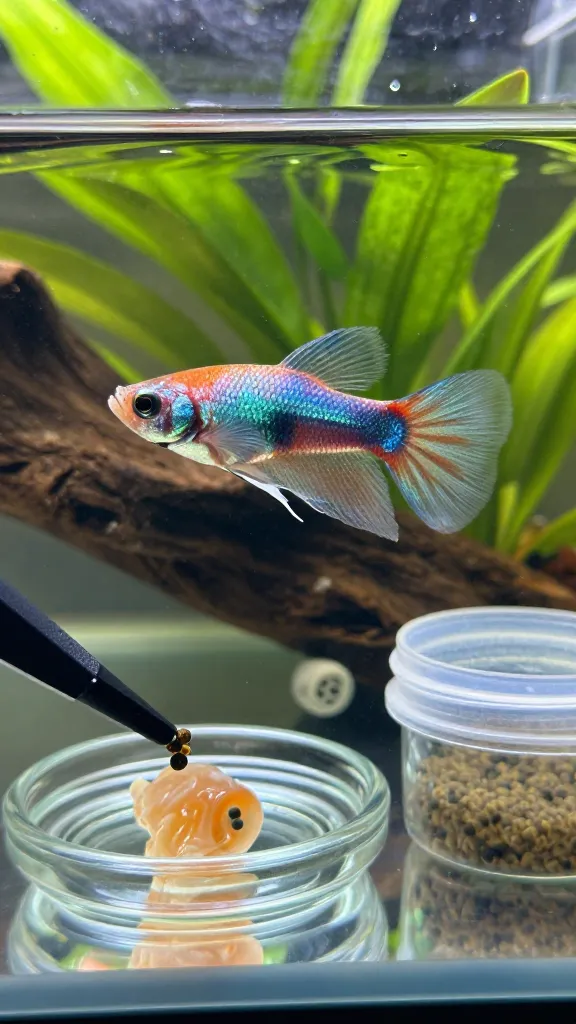
Feed high-quality micro pellets or a small frozen portion, roughly what fits in that eye-sized space, once or twice per day with one fast day per week. In my tank, that’s 4–6 tiny pellets per feeding; a $6–$12 container lasts 3–6 months. Excess food rots, drives ammonia, and bloats your fish. The caveat is variety: frozen daphnia or brine shrimp once a week (~$5–$10 per pack) helps digestion, but thaw and rinse to avoid cloudy water.
6. Sharp Decor and Mirrors: Fins Tear on Rough Edges
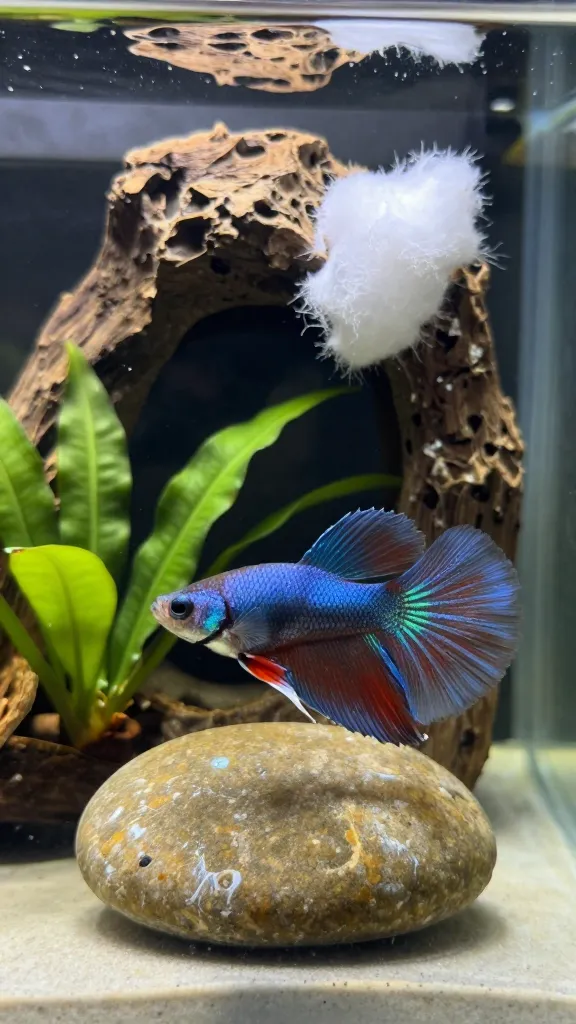
Choose smooth hardscape and live or soft silicone plants; if a cotton ball snags on it, a betta fin will too. I switched one rough cave for a rounded stone and saw torn edges stop fraying within 2 weeks. Expect to spend $10–$30 on safer scape pieces and $8–$20 on a couple of beginner plants like anubias (Anubias barteri var. nana) or java fern (Microsorum pteropus). The caveat is boredom: avoid placing reflective backgrounds or using mirrors for “exercise” — 1–2 minutes of flare training, if you do it at all, is the upper limit to prevent stress.
7. Current Too Strong: Bettas Like Gentle Flow and Broad Leaves
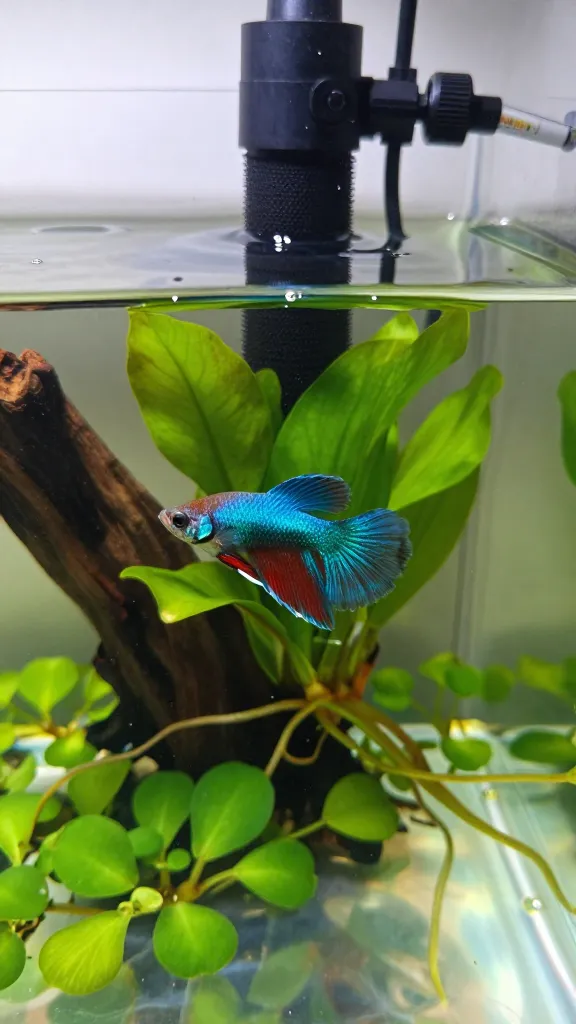
A sponge filter with a vertical lift tube run on a small air pump keeps oxygen up without pushing your fish around. I tune my air valve so the surface barely dimples; a $15 air pump, $8 valve, and $6 sponge filter have run silently for 14 months. Add broad leaves like Amazon frogbit (Limnobium laevigatum) or anubias to make calm rest spots. The caveat: floating plants need trimming every 2–3 weeks to keep light reaching everything; let them cover 50–70% of the surface, not all of it.
8. Cold Tap and Chlorine: Match and Treat Every Drop You Add
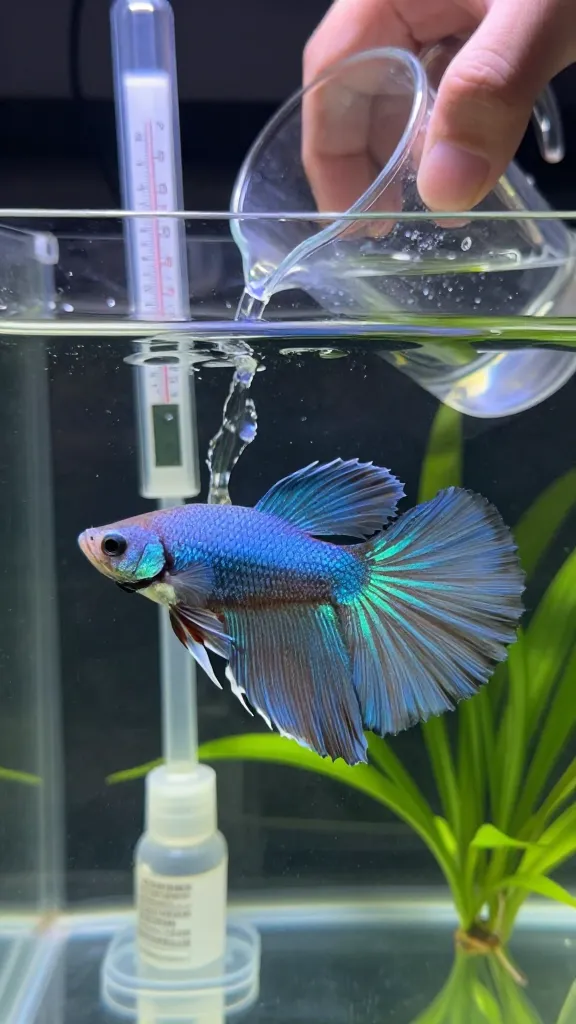
Use a dechlorinator that handles chlorine and chloramine at the label dose, and match new water within 2°F and similar pH to the tank. A bottle of conditioner runs $6–$12 and treats hundreds of gallons; a basic thermometer is $5–$10. I once poured in water 6 degrees cooler and watched my betta sulk under the filter for the rest of the day; that took 24 hours to forgive. The caveat is well water and unusual tap: if your KH is very low (under 2 dKH) or your pH swings, you may need a deeper reference on buffering rather than guesswork — one solid article can save you a fish.
9. Tankmates That Don’t Fit: Stock by Adult Size and Temperament
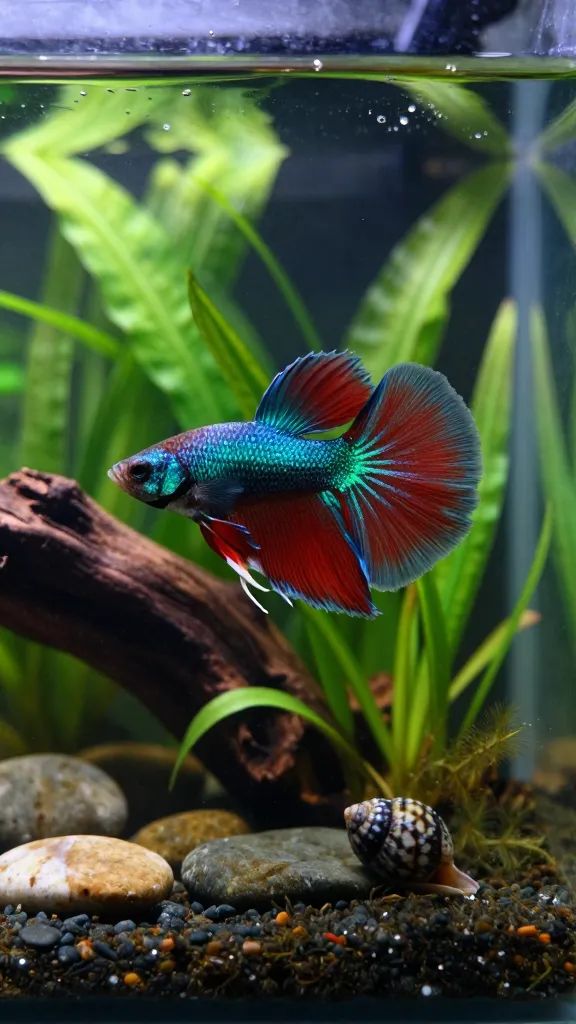
A single betta in 5 gallons is a complete setup; if you add anything, think tiny, calm, and low-waste. Snails like nerites (Vittina spp.) top out around 1 inch and help with film algae; they cost $3–$6 and add almost no bioload. Shrimp are a gamble; I’ve had one betta ignore a colony for 7 months and another hunt them in 2 days. The caveat is space: schooling fish need more water — even the smallest rasboras belong in 10+ gallons in groups of at least six, not in a 5 with a betta.
10. Bare Boxes: Live Plants Make Stability Cheap
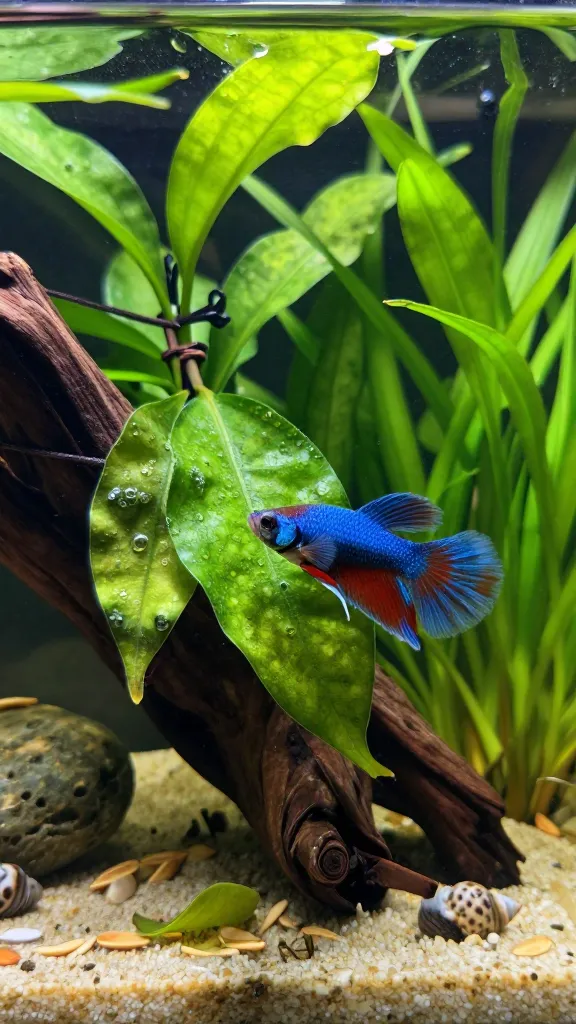
Live plants eat nitrate, harbor biofilm, and keep a betta busy exploring leaves. For a 5-gallon, a low-tech bundle of anubias, java fern, and a clump of water wisteria (Hygrophila difformis) or Subwassertang (Lomariopsis lineata) is $15–$30 and takes 10 minutes to tie to wood or rock. I killed a dwarf hairgrass carpet under too-strong light once; swapping to slow growers stabilized nitrates under 20 ppm with weekly trims. The caveat is lighting rhythm: run a simple clip-on light 6–8 hours per day to keep algae in check, and don’t chase carpets in a first tank.
Frequently Asked Questions
What size tank does a betta actually need?
The real minimum is 5 gallons with a heater and a filter. That volume gives you stable temperatures and room to keep ammonia and nitrite at zero after a proper 3–6 week cycle, and it physically fits a betta’s fins and rest spots.
How much does a proper betta setup cost to start?
Plan on $100–$160 for a 5-gallon tank, sponge filter, adjustable heater, clip-on light, substrate, plants, and water conditioner. Monthly running costs are low — a small bottle of dechlorinator ($6–$12) lasts months, and power for a heater, light, and air pump is usually under a few dollars per month.
Can I keep shrimp with a betta?
Sometimes, but it’s a risk even in a planted 5-gallon. Some bettas ignore shrimp for months, others eat them in days, so only try it if you’re okay with losses and start with robust adults, not tiny juveniles.
Do bettas need a filter, or will plants be enough?
Use a gentle filter; plants help but don’t replace biological filtration in a new 5-gallon. A small sponge filter costs $6–$12 and provides stable bacteria, oxygenation, and surface movement without blasting your fish.
How often should I feed my betta and how much?
Feed once or twice daily, only what fits in an eye-sized portion — about 4–6 micro pellets — with one fast day per week. This keeps the gut moving, limits bloat, and keeps waste low so your weekly 25–35% water change is enough.
Start Small, Start Warm, Start Measured
It’s one fish, but it isn’t a toy — heat, filter, and patience are the whole trick. If you do one thing this week, pick up a thermometer and a dechlorinator for under $20, test your tap, and set a weekly water-change day on your calendar.
Questions about your own setup? Leave them in the comments — I answer all of them. — Maya