10 Best Plants for Betta Tanks — Soft Leaves, Low Light, No Fin Damage
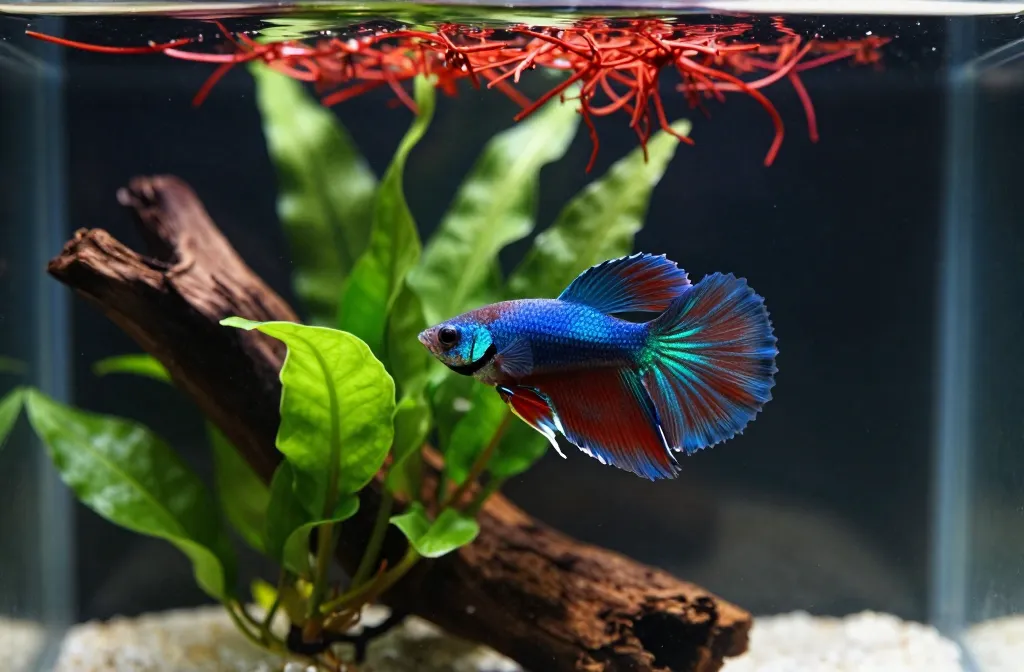
My first betta tank on the corner of my desk looked flat for a month because I picked the wrong “easy” greens; real best plants for betta tanks are the ones that flex, shade, and don’t snag fins. By the end of this, you’ll know which 10 plants actually work in low light, what to skip, and roughly what they cost to get in the tank this month. I spent $38 on my last batch of plants and watched my betta start bubble-nesting within 2 weeks. You can set this up in a 5-gallon heated, filtered tank and keep it under $60 for plants and hardscape if you buy small portions.
1. Anubias nana ‘Petite’: The Shade Maker on Wood
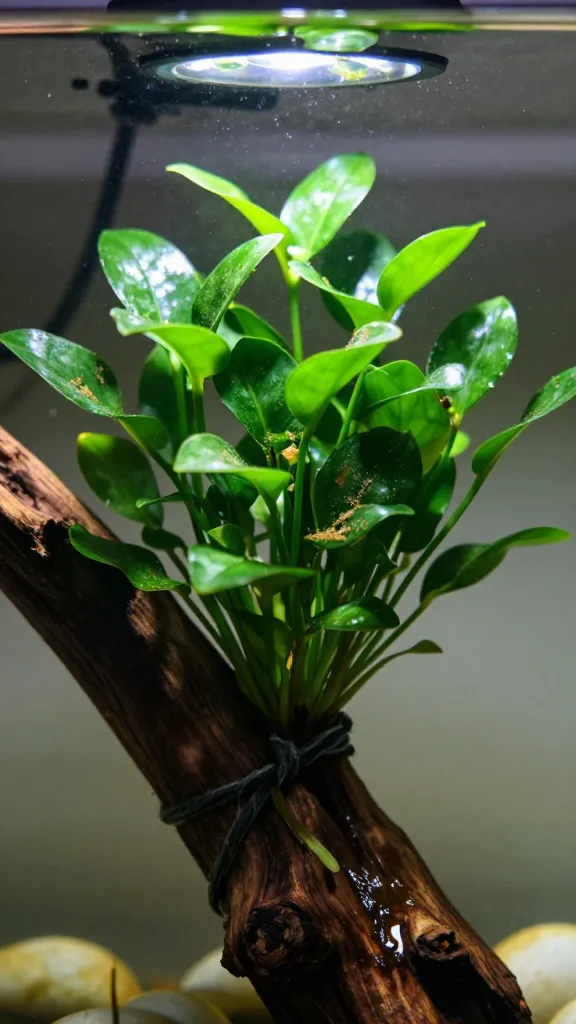
Anubias nana ‘Petite’ ties to a small branch or stone and grows slow, glossy leaves that won’t tear fins. A single pot or portion runs $6–$12, and mine has doubled in 10 months under a clip-on light at about 8 hours/day. Don’t bury the rhizome — it will rot — and expect diatoms in month one; wipe them off gently and it settles in.
2. Floating Red Root Floaters: 2 Weeks to Dappled Cover
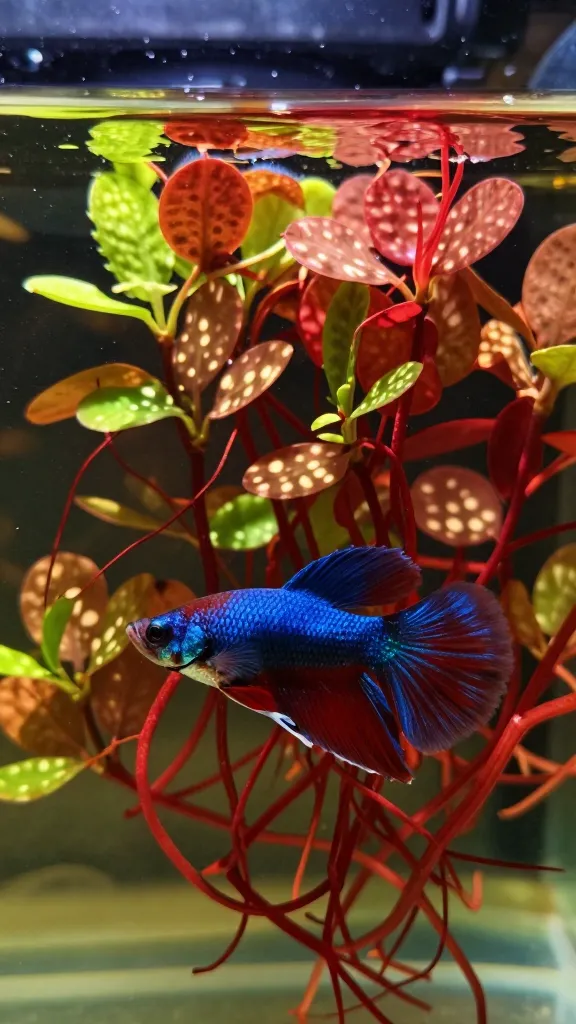
Red root floaters (Phyllanthus fluitans) spread across the surface, cut glare, and give bettas a hammock of roots to weave through. A starter cup is typically $5–$10 and can triple in 2–4 weeks if the surface is still and the light is modest. They melt if splashed constantly or pinched under a lid; leave a dry gap and keep the filter outlet baffled.
3. Java Fern ‘Windelov’: for Textured Finsafe Fronds
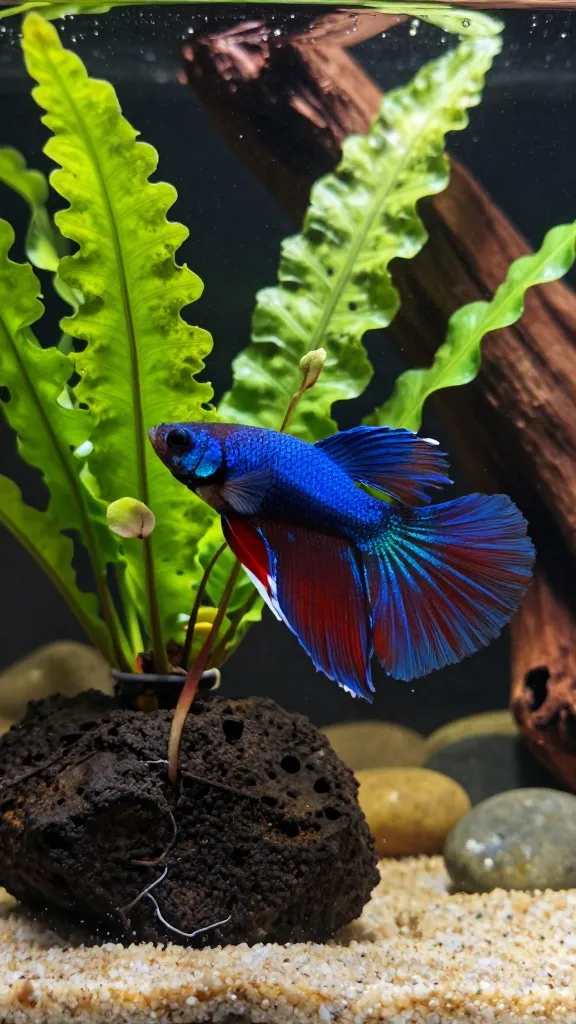
Java fern ‘Windelov’ (Microsorum pteropus) attaches to rock and throws out frilly tips that look fancy without being sharp. I paid $10 for a medium rhizome and had two daughter plants in 6 months at 76–80°F. It will black-spot if buried; tie it instead, and don’t panic when older leaves shed as it transitions.
4. Marimo Balls: 3 Little Orbs for and Zero Edges
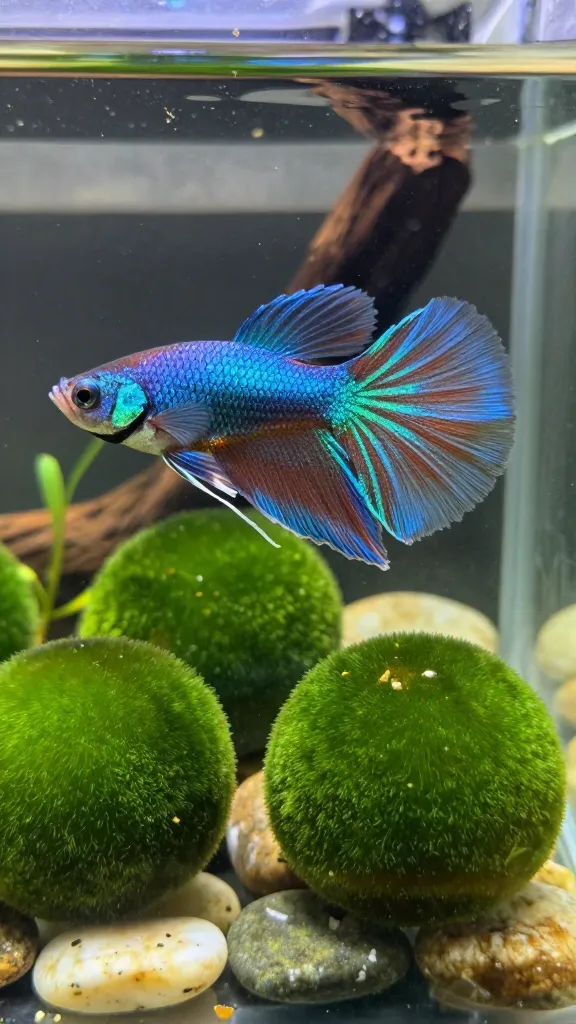
Marimo (Aegagropila linnaei) are velvety spheres that collect micro-debris and never catch fins. A trio in my 5-gallon cost $12 and stayed bright for 1 year with a gentle squish-rinse every 2–3 weeks. They’re slow; if you want fast nutrient uptake, pair them with a stem or floater because marimo alone won’t keep up.
5. Betta Tank Jungle: Pennywort Floater and Stem for
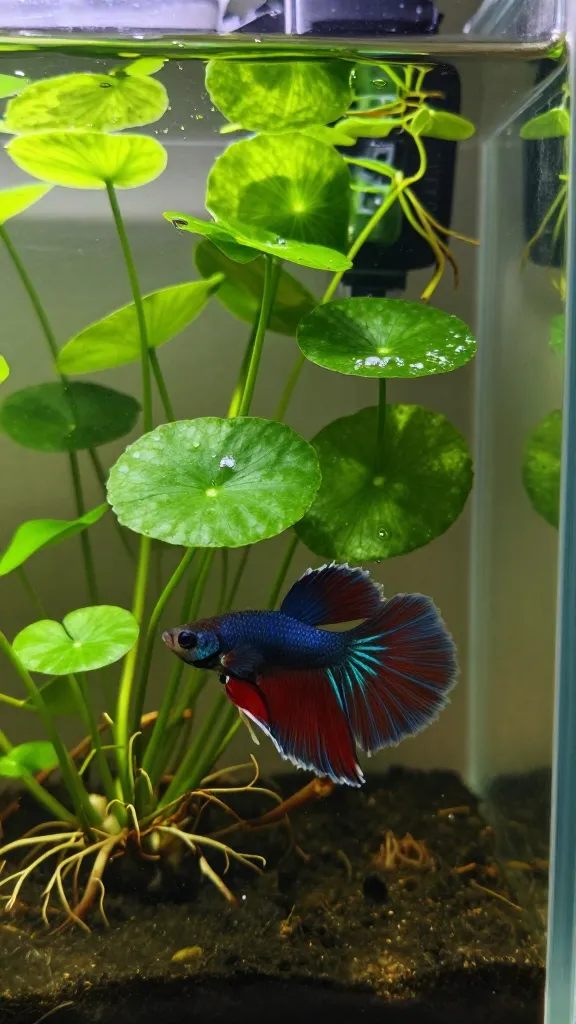
Brazilian pennywort (Hydrocotyle leucocephala) can float or root, making lily-pad leaves that bettas sit under. A bunch is usually $6–$8, and in my tank it reached the surface in 10 days with no fertilizer beyond a weekly 30% water change. It tangles around intake guards if you let it go feral; trim a handful every week or two and replant the tops.
6. Crypt Wendtii Green: Rosette That Sits and Stays
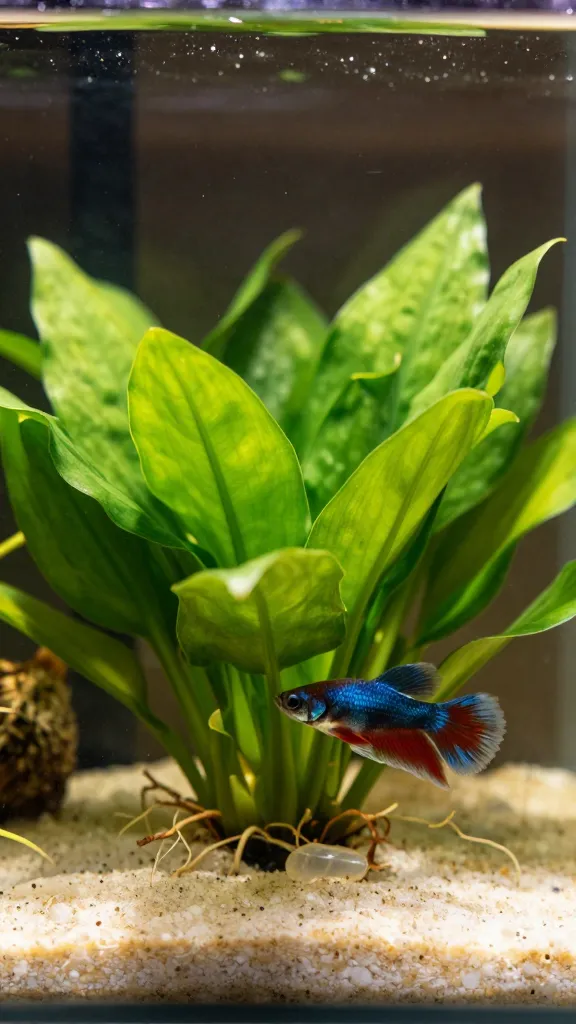
Cryptocoryne wendtii ‘Green’ forms a soft-leaved rosette that won’t shred fins and tolerates low light. I’ve bought single crowns for $5–$7 and watched them “melt” then rebound with fresh leaves in 3–4 weeks after planting. The catch is patience: bury only the roots in fine gravel or sand, keep it steady at 78°F, and don’t move it during that first month or you reset the clock.
7. Betta Moss Raft: Taxiphyllum for a Resting Ledge
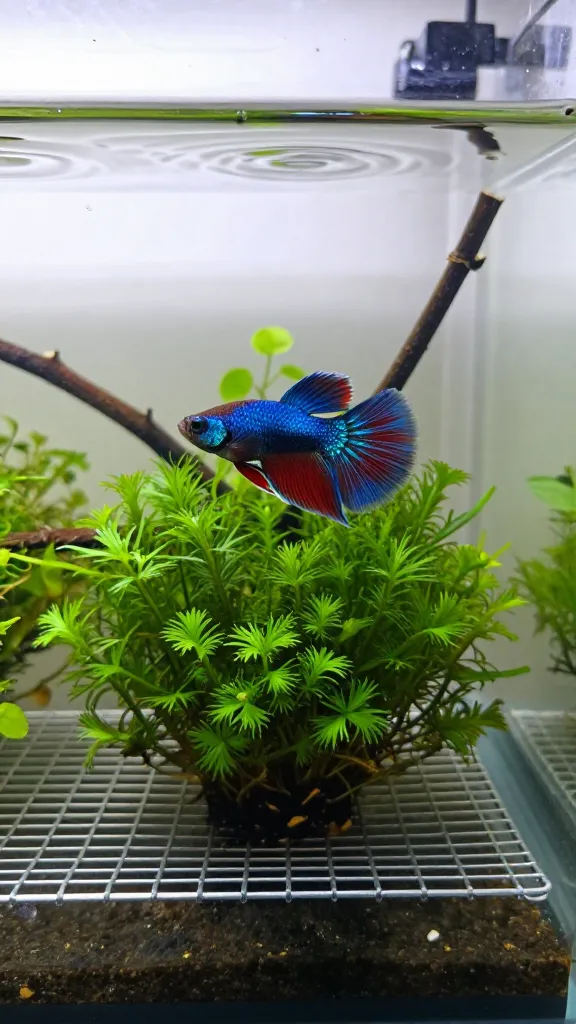
Java moss (Taxiphyllum barbieri) tied to a stainless mesh or twig makes a springy perch and fry shelter. A golf-ball portion runs $7–$12 and fills a 3×3 inch raft in 4–6 weeks with moderate light. Algae is the risk if you blast it for 12 hours; cap your photoperiod at 7–8 hours and keep feeding measured so the moss stays clean.
8. Water Sprite: Filter Helper That Doesn’t Snag
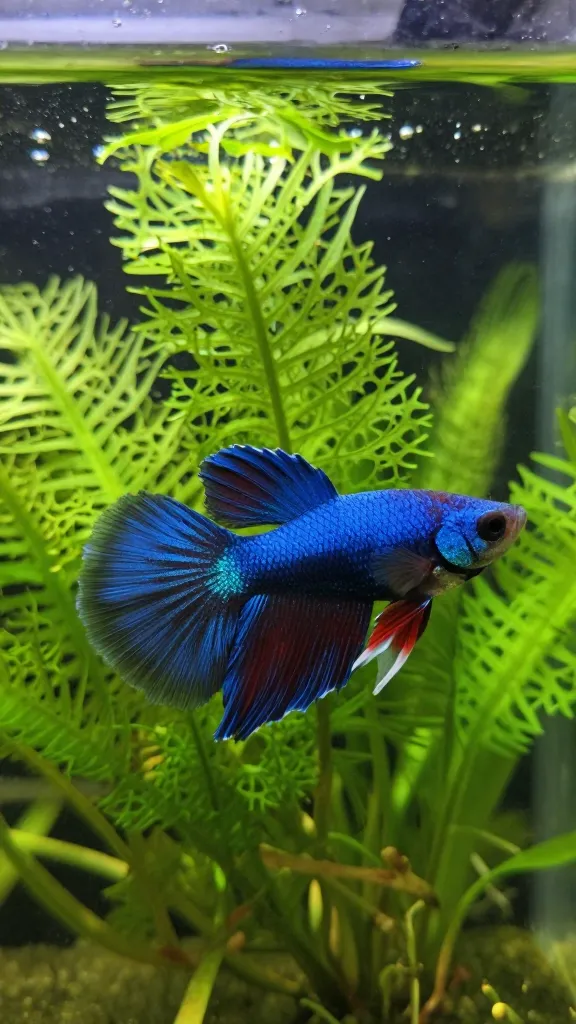
Water sprite (Ceratopteris thalictroides) can be floated or planted, throws lacey, soft fronds, and guzzles nitrates. One bunch for $6–$10 filled my 5-gallon background in 3 weeks, and I compost a handful monthly. It will outgrow a nano fast; if you’re not up for regular trims, pick a slower plant instead because shade creep is real.
9. Anubias barteri ‘Coffeefolia’: for Big Leaves, Small Light
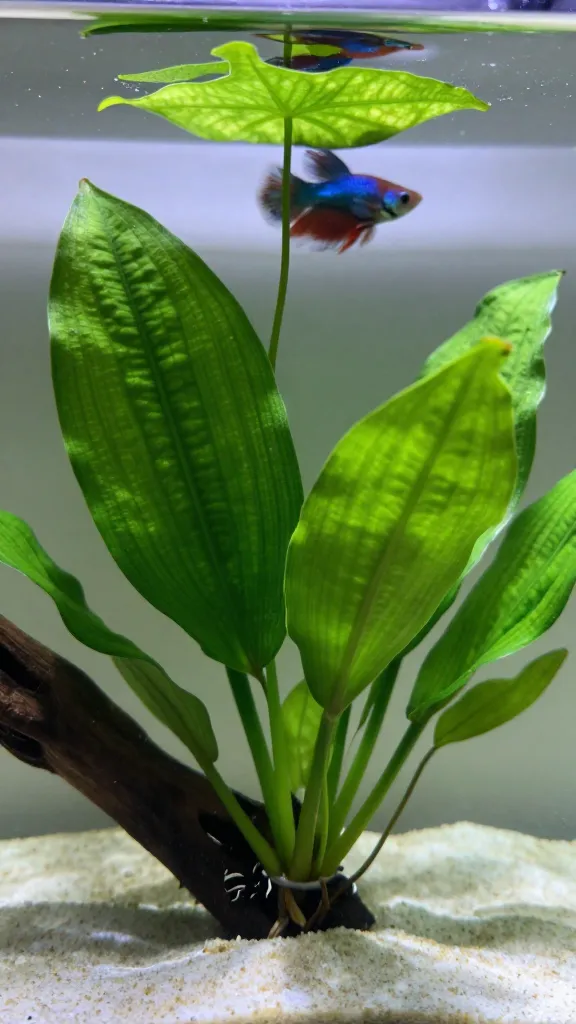
Anubias ‘Coffeefolia’ gives broad, ribbed leaves that act like umbrellas for a resting betta in a 5–10 gallon. I paid $15 for a mature rhizome and it added a new leaf every 5–6 weeks under low light with no root tabs. It’s slow enough that algae will spot it if light runs long; stick to 8 hours and place it in shade under floaters.
10. Hornwort: Fast Mop for a New Tank
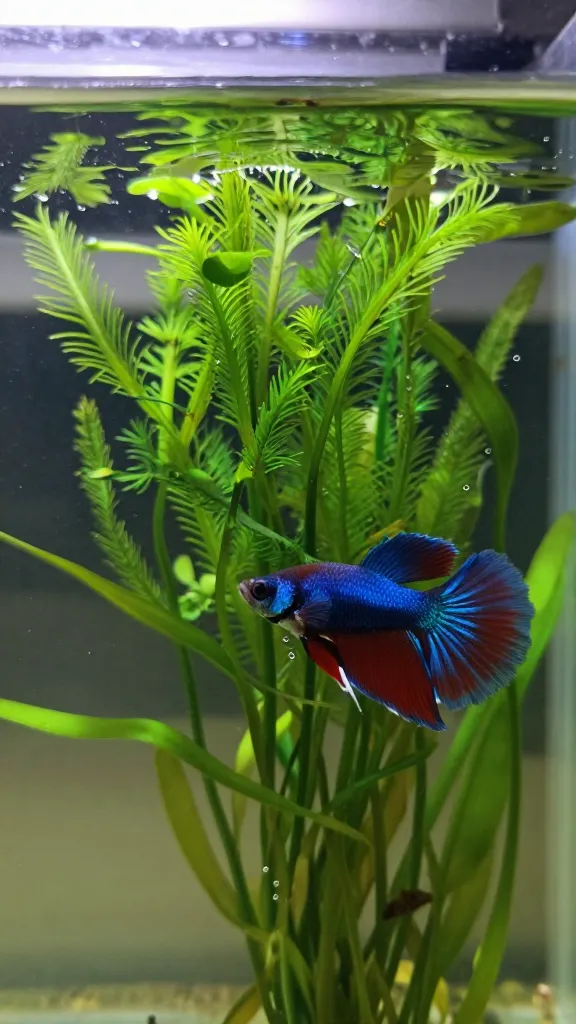
Hornwort (Ceratophyllum demersum) is a soft, floating stem that soaks up excess ammonia while a new tank settles, and it won’t abrade fins. A bundle is usually $4–$8 and can double in 2 weeks if it isn’t cooked under a lid. It sheds needles when shocked or jammed under strong light; use it as a temporary nutrient sponge for the first 6–8 weeks and thin it when slower plants take over.
Frequently Asked Questions
What are the best plants for a betta tank in low light?
Anubias (any small variety), java fern, crypt wendtii, and marimo all do well at 7–8 hours/day under a simple clip-on light. Floaters like red root floaters help too by softening the light and giving cover. Expect to spend $20–$40 for a starter mix, less if you buy small portions.
Do betta tanks need live plants or are silk plants enough?
Silk is safe for fins, but live plants add real functions: they absorb waste, stabilize pH swings, and create microhabitats. Even a single $8–$12 anubias plus a $5–$10 floater can make water changes easier by week 4. If you choose silk, still keep the tank heated to 78°F and filtered.
How many plants should I start with in a 5-gallon betta tank?
Start with five to seven pieces: two attached plants, one rosette, one moss, and one floater portion is a solid mix. That’s typically $30–$60 depending on sizes and gives enough mass to help the cycle within 2–4 weeks. Heavier planting up front saves you algae cleanup later.
Are floating plants safe for betta tanks?
Yes, floaters are betta favorites as long as the surface stays calm and there’s breathing space. Keep 30–50% of the surface open and thin them every 1–2 weeks; a starter cup is $5–$10. Cover the filter intake or baffle the outlet to protect roots.
Can I put plants in before my betta to help cycle the tank?
Yes, plant first, then run the tank for 3–6 weeks while you monitor ammonia, nitrite, and nitrate. Add a small pinch of food every few days to feed bacteria, or use a filter squeeze from an established sponge if you have one. If you want the full science of cycling, there are detailed references worth reading; the short version is you need ammonia to reach zero and nitrite to reach zero before the fish moves in.
Small Leaves, Soft Light, Happier Fins
The shape of the plant matters as much as the species — soft edges and overhead cover change a betta’s day more than a fancy rock ever will. If you do one thing this week, pick up a single $8–$12 anubias and a $5–$10 floater cup, tie the anubias to a stick, and run the light 8 hours; you’ll see the difference in two weeks.
Questions about your own setup? Drop them in the comments — I answer all of them. — Maya