10 5-Gallon Fish Tank Ideas — What Actually Fits, and What Does Not

My 5-gallon sits on the left side of my desk, and for a month it was just water, plants, and me trying to be patient. If you’re searching for 5-gallon fish tank ideas, this is the short list of what actually lives well in that space and what absolutely does not. By the end you’ll be able to pick one setup, know the gear that matters, and budget roughly $70–$180 to do it right. I’ve crashed one tank by rushing and I’ve kept another at 0 ammonia for 14 months by planting first. You don’t need more room; you need a clear plan and a cycle that’s finished before anything with gills goes in.
1. Planted Shrimp-Only 5 Gallon: Plants First, Colony Second
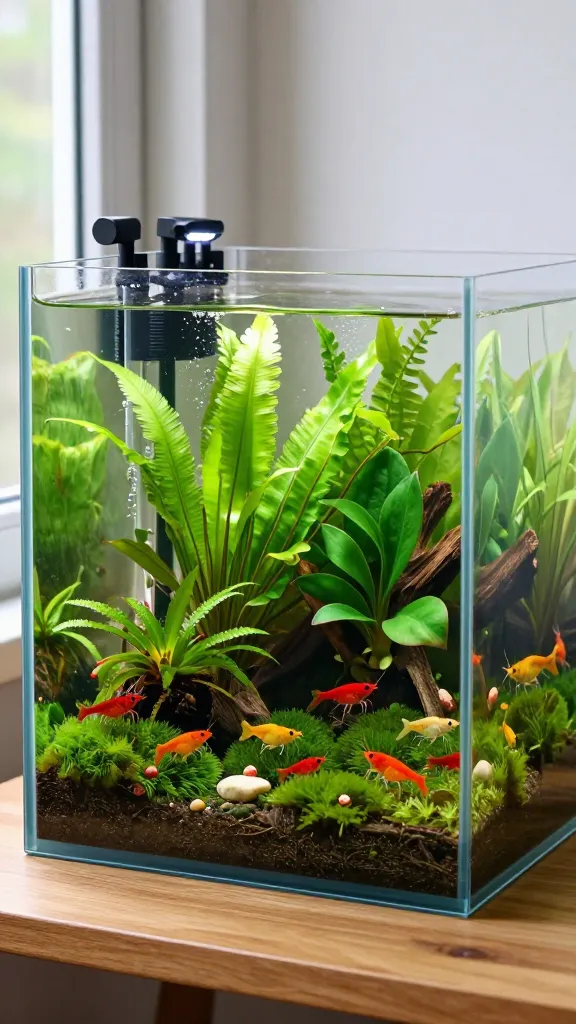
A rimless 5-gallon with a small sponge filter, a clip-on light, and dense planting (java fern, subwassertang, and water wisteria) turns into a shrimp forest that filters itself. I started one for about $110 all-in: $25 tank, $12 sponge filter and air pump, $20 light, $15 inert substrate, and $30 in plants; my starter group was 12 Neocaridina that cost $24. Mine took 6 weeks to cycle with plants before the first shrimp, and by month 5 I was seeing 30–40 juveniles regularly. This is not for heavy feeding or impatient cleaners; overfeeding one week can spike nitrite, and shrimp tell you the truth fast.
2. Single Betta in a 5-Gallon Fish Tank: Heat, Cover, Calm Flow
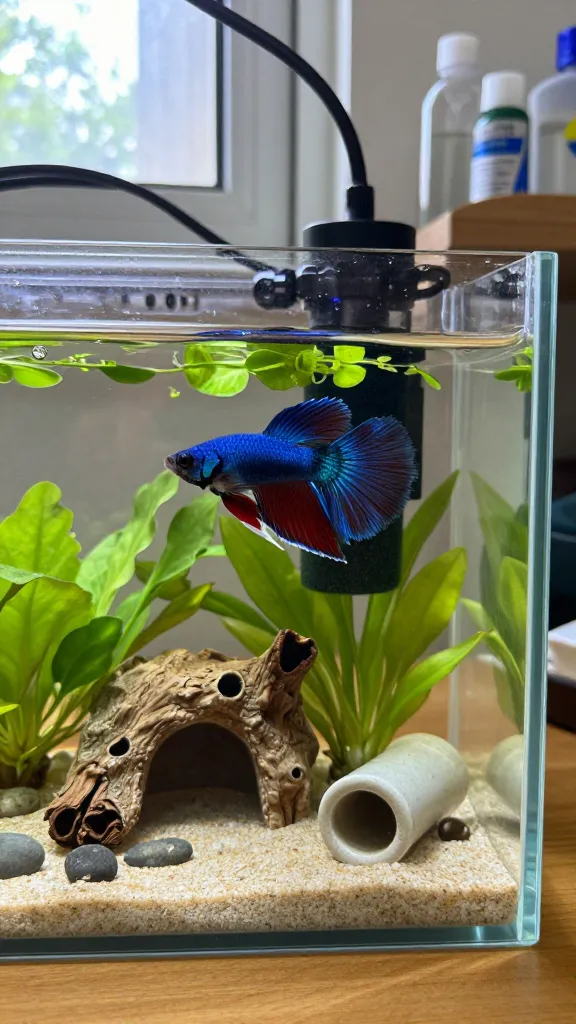
A 5-gallon with an adjustable heater, a gentle sponge or baffled internal filter, and floating plants makes a stable home for one male betta (Betta splendens, adult 2.5–3 inches). Set the heater to 78°F, keep the surface 50% open, and provide at least three hardscape hides. My current betta build ran me about $150 including $30 for the fish, and I test once a week; ammonia and nitrite have stayed at 0 with 25% weekly water changes. The firm line here: a betta still needs 5 gallons, heat, and a filter — bowls and vases are not acceptable, even if the store said otherwise.
3. Ember Tetra Species-Only: The “Eight Sparks” School

A dark-substrate 5-gallon with leaf litter, a small sponge filter, and slow-growing plants can host a tiny school of ember tetras (Hyphessobrycon amandae, adult under 1 inch). I ran 8 embers for 14 months in 5 gallons at 76°F, with 30% weekly changes and a feeding pinch the size of a pea. Expect to spend $90–$140 depending on your light and plant choices; my fish were $24 for the group. This is only for diligent testers — embers are tough for their size, but a 0.5 ppm ammonia day is still a hospital day in 5 gallons.
4. The Nano Jungle: Zero Fish, 60 Days to Settle

Skip fish and build a dense scape: nutrient soil under sand, a thicket of stem plants (Ludwigia repens, Rotala rotundifolia), plus a mat of moss on wood, with a budget clip-on light on a timer. I spent $95 on the hardscape and plants and ran it plant-only for 60 days; algae dusted the glass in week 3, then vanished once the stems hit the surface. Snails arrive for free on plants and will be your cleanup crew. This is wrong for anyone wanting instant livestock — the payoff is week 8 when pearling starts and water tests read boring zeros.
5. Sparkling Gourami Pair: Whisper-Flow, Leaf Roof
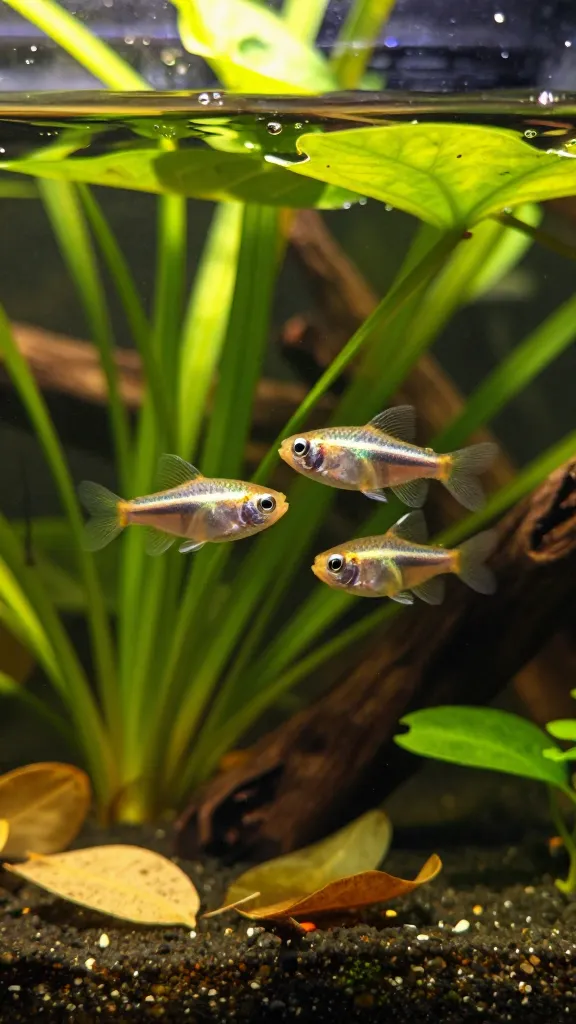
A heavily planted 5-gallon with Indian almond leaves, floating cover, and the softest possible filtration suits a pair of sparkling gourami (Trichopsis pumila, adult 1.2 inches). Aim for 76–80°F and quiet; they court under leaves and flash iridescence you only see up close. My pair cost $18 and lived 2 years in a 5-gallon with weekly 25% changes and tiny frozen feeds. Skip this if your room is noisy or you love blasting flow — labyrinth fish breathing air do not thrive under a waterfall.
6. The 5-Gallon Shrimp + Snail Crew: Zero Fish, Busy Glass

Build for biofilm: sponge filter, cholla wood, a thicket of hornwort, and a scattering of botanicals. I stocked 10 Neocaridina and 3 Neritina snails in month 2; total livestock cost was $36, and the tank has run 11 months without algae outbreaks because the snails handle film and the shrimp graze constantly. Keep calcium stable for shells and feed one 2 mm pellet every other day. Not for the pristine-glass crowd — snail tracks are part of the charm, and scraping eggs off nerite-laid dots takes 10 minutes a week.
7. The Cold-Water 5 Gallon: No Heater, All Green

If your room holds 68–72°F year-round, run a temperate planted tank with no fish: moss, Anubias barteri var. nana, and floating Salvinia, plus a gentle sponge filter. Mine cost $80 to start and has been stable for 9 months with a 20% change every 10 days. I keep only pond snails that hitchhiked and a dozen copepods I noticed in week 5 — free life that tells me the water is clean. This is not a white cloud mountain minnow or goldfish home; both outgrow or outpace a 5-gallon, and goldfish especially are waste machines.
8. Pea Puffer Single: One Predator, Many Snails

One pea puffer (Carinotetraodon travancoricus, adult about 1 inch) in a 5-gallon with dense plants, hardscape sight breaks, a tight lid, and a seasoned sponge filter is a charismatic desk companion. I paid $12 for the fish and budget $5–$10/month for feeder snails; mine has run 10 months with 30% weekly changes and daily observation for beak wear. The opinion I hold from doing this: pea puffers deserve species-only setups — they harass tankmates in close quarters, and 5 gallons is a one-fish plan. Skip if you don’t want to culture or buy snails; flakes won’t cut it.
9. The Low-Tech Aquascape: Soil, Cheap Light, Slow Plants

A bagged nutrient soil capped with sand, one chunk of wood, and a trio of slow plants (Cryptocoryne wendtii, Anubias, java fern) under a budget clip light on a timer builds a calm scape that grows for years. I hit $75 by buying a used 5-gallon, and I trimmed once a month; crypt melt lasted 3 weeks and then it threw new leaves. Add only shrimp after 6–8 weeks if parameters hold. If you expect fast carpets at low cost, this will disappoint; slow plants are slow by design but reward you with fewer algae swings.
10. The Quiet Corner Quarantine: 5 Gallons of Insurance
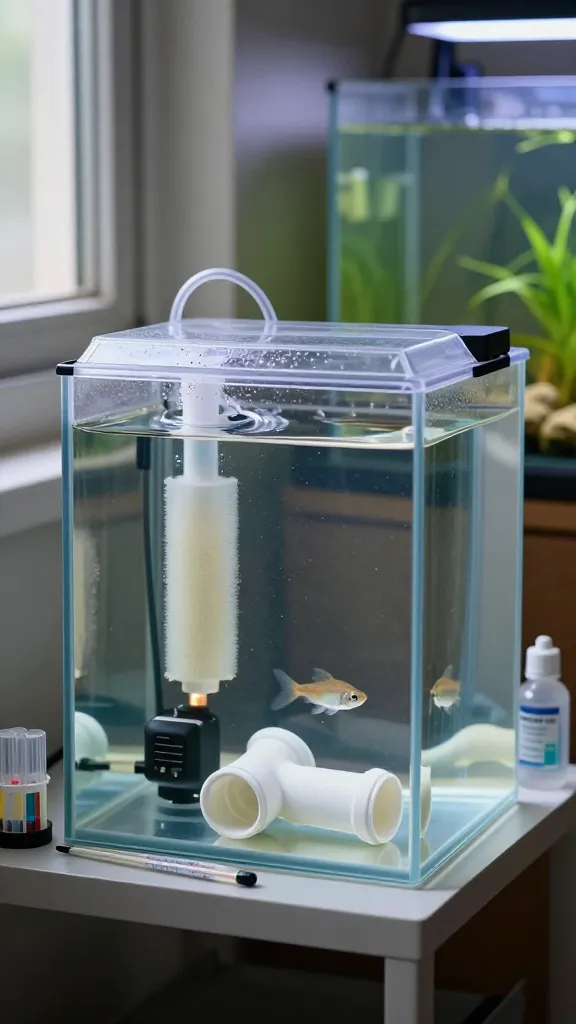
A bare-bottom 5-gallon with a seasoned sponge filter, heater, a few PVC elbows, and a tight lid is an isolation ward for a new small fish before it joins a larger tank later. I keep one always ready; it cost me $60 to assemble, and it has saved me a main-tank crash at least twice by catching issues during a 2–4 week observation. Keep parameters matched to the source water and test every other day. Not a permanent display for most fish — it’s a tool, and crowding it defeats the point.
Frequently Asked Questions
What fish actually fit in a 5-gallon fish tank?
One betta, one pea puffer, or a small group of tiny schooling fish like 6–8 ember tetras are workable with strong filtration and weekly care. Shrimp-only or shrimp-plus-snails are even safer for beginners because the bioload stays light. Budget $70–$180 to set up with heater, sponge filter, and plants. Always cycle for 4–6 weeks before adding animals.
Can I keep two goldfish in a 5-gallon fish tank?
No — goldfish reach 6–8 inches for fancy types and much larger for commons, and they produce heavy waste. The common guideline is 20 gallons for the first fancy goldfish and more for each additional fish. A 5-gallon is for nano species or a single betta, not goldfish. If you already bought one, set up a larger, filtered tank and use the 5 as a quarantine.
How much does a 5-gallon setup cost if I’m careful?
Expect $70–$120 for a basic but safe build: tank, sponge filter with air pump, clip-on light, and plants. Add $20–$35 for a heater if you keep tropical species at 76–80°F. Livestock ranges from $20–$40 for shrimp to $10–$35 for a single fish. Ongoing costs are mainly food and water conditioner, usually under $5–$10/month.
How long should I cycle a 5-gallon before adding shrimp or fish?
Plan for 4–6 weeks with plants in and no animals, testing for steady 0 ammonia and 0 nitrite for a full week before stocking. In my plant-heavy 5-gallon shrimp tank, I waited the full 6 weeks and saw zero losses on introduction. Bottled bacteria can shorten the wait, but you still need to confirm with tests. If you’re unsure about cycling basics, a dedicated beginner guide will help more than guessing.
Are guppies or neon tetras okay in 5 gallons?
Not ideal: guppies multiply fast and prefer more swimming room, and neons are best in groups of 8–10 in at least 10 gallons. In 5 gallons, a tiny species like ember tetras in a small group or a single feature fish is the safer pick. Overcrowding in 5 gallons leads to stress and parameter swings you’ll chase every weekend.
Start Small, Start Patient
The glass is the cheap part; the cycle, the plants, and your weekly 25% water change are what make the life inside steady. If you want to start this week, buy a 5-gallon, a sponge filter with air pump, a timer, and three hardy plants, and let that little ecozystem hum for 4–6 weeks before anything with a face arrives.
Questions about your own 5-gallon plan? Drop them in the comments — I answer all of them. — Maya